- Spanish-Latin America
- Japanese-JP
- Chinese
- Europe
- Português-BR

Tech Support
(888) 598-9901
Hours: Mon-Fri 8AM-8PM EST
nep-usa@site_ea168614-f5f4-4298-bd5b-880b4cf8d99d
10 Solar Powered Buying Tips for Global Buyers
Buying solar powered equipment across borders requires more than comparing prices and panel wattage. A product may look efficient online, yet perform poorly under cloudy skies, high temperatures, or unstable installation conditions. Global buyers should examine the complete system, including panels, batteries, controllers, cables, connectors, and protective housing. Small details matter. A loose connector can waste energy, while an undersized battery may fail before evening.
These ten buying tips focus on practical decisions that reduce costly surprises. Check the real output, not only the advertised capacity. Ask suppliers for test reports, warranty terms, replacement procedures, and clear product specifications. Confirm whether the voltage matches local equipment and whether the plug design suits your destination. Review recognized safety certifications and import requirements before payment. Weather resistance also deserves attention, especially for outdoor devices exposed to rain, dust, or salt air.
Experience shows that reliable suppliers explain limitations instead of promising perfect performance. That is important. Solar production changes with season, shade, temperature, and usage habits. No checklist is flawless, and buyers may still discover problems after installation. A sensible approach includes a small trial order, documented inspection, and realistic energy expectations. Compare supplier responses carefully. The clearest answer is not always the most persuasive one. With careful research, professional verification, and honest evaluation, global buyers can choose solar powered solutions that perform more consistently and remain supportable after delivery.
Understand Solar Power Products and Their Intended Uses
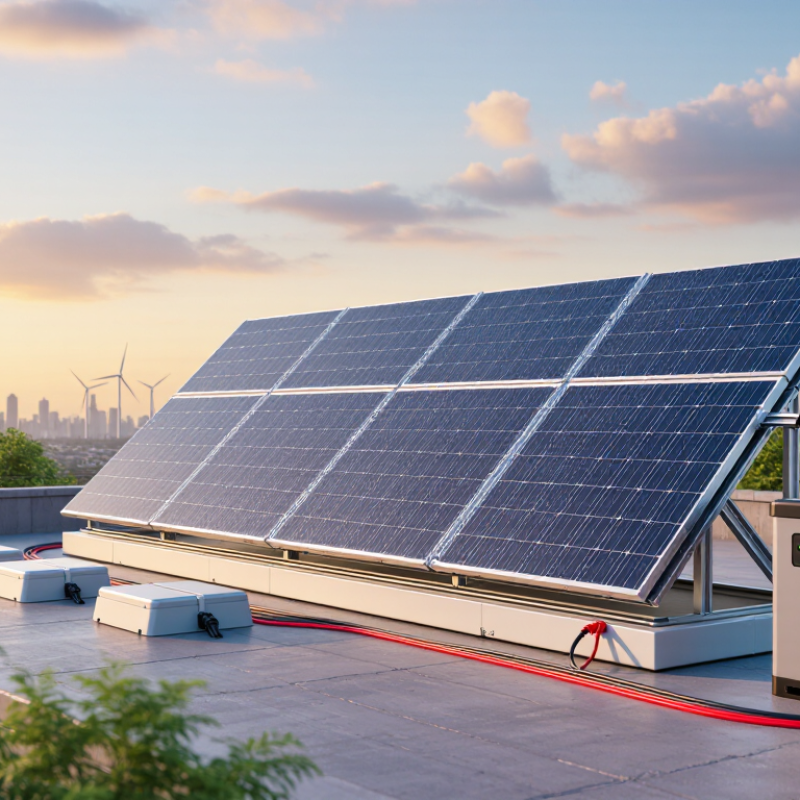
Understanding intended use is the safest starting point for solar product purchasing. In 2023, solar capacity reached about 1,419 GW worldwide, according to IRENA’s Renewable Capacity Statistics 2024. Growth is impressive, but product suitability still depends on daily energy demand, weather, and installation conditions.
An emergency solar lamp serves short lighting needs. A portable panel suits camping, field work, or phone charging. Rooftop systems require different inverters, protection devices, and structural checks. Check the intended load. Do not judge performance from wattage alone. A 100-watt panel may produce far less energy during cloudy hours. Estimate watt-hours, not just peak watts. The calculation feels simple, yet buyers often overlook seasonal sunlight and battery losses.
Battery chemistry also affects weight, lifespan, and operating safety. Ask for tested cycle data, warranty terms, and clear efficiency figures. Look for recognized electrical and ingress-protection testing. The IEA’s World Energy Outlook 2024 estimates that nearly 750 million people lacked electricity in 2023, showing why reliable off-grid equipment matters. However, low-cost products can create disposal and maintenance problems. I have seen specifications look convincing, then disappoint under heat or dust. That is an uncomfortable reminder to verify test conditions, not marketing language. A local installer’s assessment may be more valuable than a dramatic efficiency claim.
Related Posts
-
Discover the Best Solar Powered Outlet Solutions for Your Needs?
-
How to Choose the Right Solar Power Battery for Your Needs?
-
Why Choose Solar Powered Generators for Your Energy Needs?
-
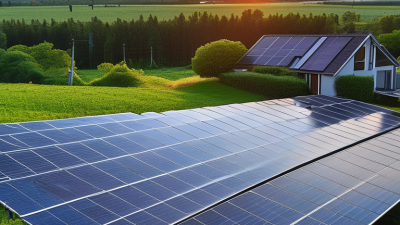
What is Solar Power for Home and How Does It Work?
-

Top 10 Ways to Save on Your Electric Bill Today?
-
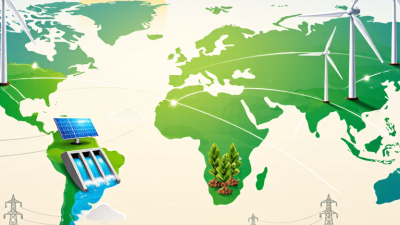
Top 10 Green Power Suppliers for Global Buyers
Get in touch
Our mission is to develop cutting-edge clean energy technology and provide next-generation solar inverters.
Phone
(888) 598-9901
nep-usa@site_ea168614-f5f4-4298-bd5b-880b4cf8d99d
