What is Solar Power for Home and How Does It Work?
As the demand for renewable energy grows, "solar power for home" has become increasingly popular. John Smith, a leading expert in solar energy solutions, states, "Harnessing solar power can transform ordinary homes into efficient energy systems." This sentiment reflects a significant shift in how homeowners approach energy consumption.
Solar power involves converting sunlight into electricity. Panels installed on rooftops capture sunlight and turn it into usable energy. This process not only reduces electricity bills but also lessens environmental impact. However, many homeowners face challenges. Initial installation costs can be high, and understanding the technology requires effort.
Despite these hurdles, the benefits are compelling. Solar energy contributes to a sustainable future and increases property value. It empowers homeowners to take control of their energy needs. As more individuals embrace solar power for home, the journey toward energy independence continues. Embracing this change can be daunting but also rewarding.
What is Solar Power for Home?
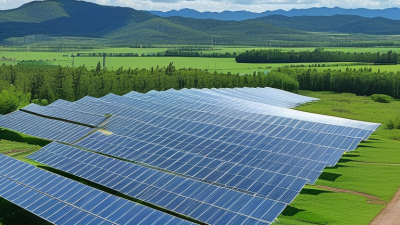
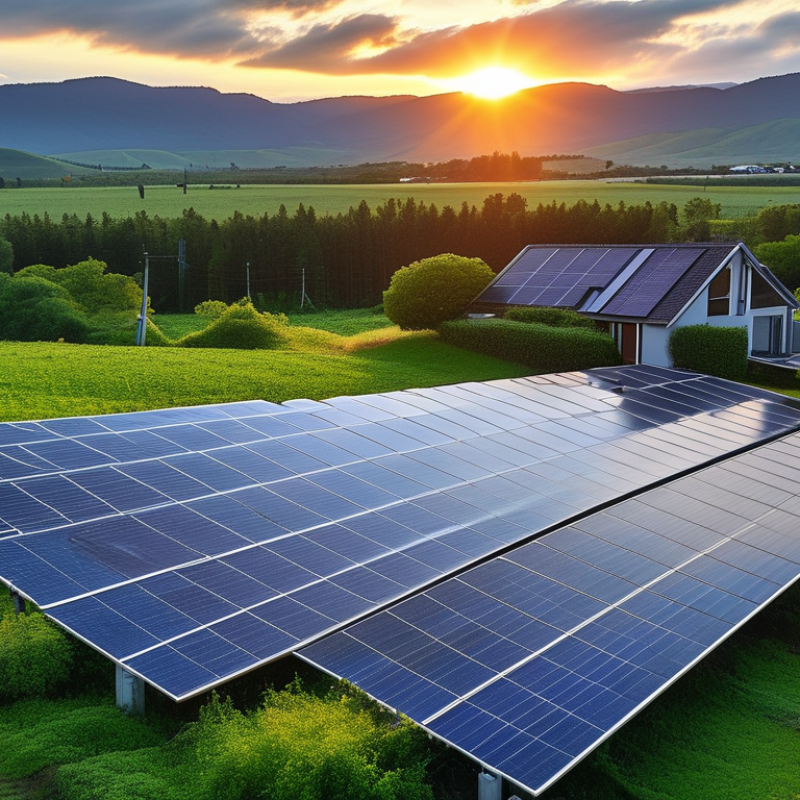
Solar power for home refers to the use of solar energy to generate electricity for residential buildings. Homeowners can install solar panels on rooftops to capture sunlight. This technology converts sunlight into electricity through photovoltaic (PV) cells. Studies show that a typical solar panel system can generate enough electricity to power a household for a year.
The potential of solar power is significant. According to a report by the National Renewable Energy Laboratory, solar energy could supply up to 40% of the nation's electricity by 2035. Many homes are now adopting this clean energy solution. The initial investment can be high, but federal and local incentives often help offset costs. This makes solar an attractive option for homeowners seeking sustainability.
However, homeowners should consider some challenges. Weather conditions can impact efficiency. Additionally, the upfront costs for installation can be a barrier for many. It's essential to assess energy needs and local solar potential before making a decision. A thorough analysis can lead to more informed choices in adopting solar power for home use.
Benefits of Using Solar Power in Residential Spaces
Solar power has emerged as a leading energy solution for residential spaces. One of the key benefits of solar energy is its potential to significantly reduce electricity bills. According to the U.S. Department of Energy, homeowners can save an average of $1,500 per year on energy costs. This figure may vary based on location and energy consumption habits, highlighting the importance of tailored energy assessments.
Another advantage is the positive environmental impact. Solar power systems help reduce carbon footprints. A report by the National Renewable Energy Laboratory indicates that a typical residential solar photovoltaic system can offset nearly 100 tons of carbon dioxide over 30 years. This figure may seem impressive, but it also raises questions about the disposal of solar panels at the end of their lifespan. The industry needs to focus on sustainable recycling practices to address this issue effectively.
In addition to financial and environmental benefits, solar power can increase property value. Studies show that homes with solar installations sell for approximately 4.1% more than comparable homes without solar. However, the initial installation cost can be a barrier for some homeowners. The availability of financing options and incentives can help mitigate this challenge. Exploring these aspects can provide a clearer understanding of the solar landscape for potential adopters.
How Solar Panels Convert Sunlight into Electricity
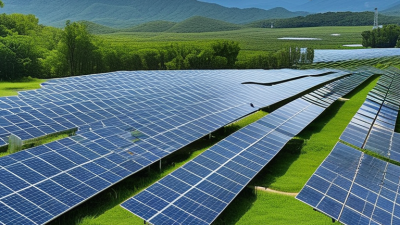
Solar panels are remarkable devices that convert sunlight into electricity. This process begins when sunlight strikes the solar cells, typically made from silicon. The energy from the sunlight excites electrons in the silicon, causing them to flow and create an electric current. According to the U.S. Department of Energy, solar energy accounted for approximately 3% of total electricity generation in 2022, highlighting its growing significance.
In practical terms, a typical solar panel can generate around 300 watts of power under optimal conditions. This energy can be used immediately or stored in batteries for later use. However, there are challenges. The efficiency of solar panels varies, with most converting about 15-20% of sunlight into usable electricity. Factors such as shading, panel orientation, and temperature greatly influence performance.
These days, installing solar panels often comes with incentives and rebates, which can reduce upfront costs. Nonetheless, installation involves significant planning and investment. It’s essential to evaluate energy needs and local solar potential. Many homeowners report mixed experiences with solar power, revealing both satisfaction and concerns about maintenance and weather dependency.
Components of a Home Solar Power System
A home solar power system comprises several essential components that work together to harness energy from the sun. The primary part is solar panels, which collect sunlight and convert it into electricity. These panels are often mounted on rooftops to maximize sun exposure. They vary in size and efficiency, and their placement can significantly impact energy production.
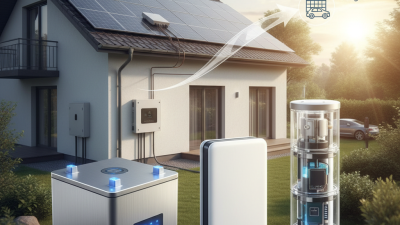
Next, we have the inverter. This device transforms the direct current (DC) produced by solar panels into alternating current (AC), which powers your home appliances. Choosing the right inverter is crucial for ensuring compatibility with your system and optimizing energy output. Battery storage is another vital component. It allows homeowners to store excess electricity for use during cloudy days or at night, increasing reliability and energy independence.
The installation of these components requires expertise. Proper positioning of solar panels and the correct setup of wiring are critical. While many installations are successful, some may face challenges, such as shading or structural limitations. It is essential to evaluate your home's unique characteristics before proceeding. Understanding these details ensures a more reliable and effective solar power system tailored to your needs.
How to Install and Maintain Solar Power Systems at Home
Installing a solar power system at home can seem overwhelming. However, with the right knowledge and tools, the process becomes manageable. Begin by assessing your home's energy needs. This involves looking at past utility bills and determining peak usage hours. Additionally, consider the roof's orientation and shading to maximize sunlight exposure.
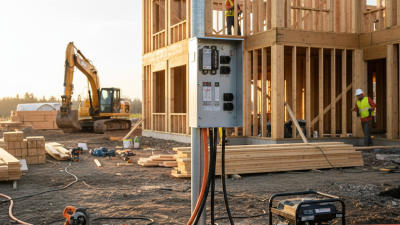
Next, gather necessary materials and permits. You'll need solar panels, inverters, and batteries. Research local regulations to ensure compliance. The installation process typically involves mounting solar panels securely and connecting them to your home’s electrical system. It's crucial to double-check all connections for safety.
Maintaining the system is essential for optimal performance. Regularly clean the panels to remove dirt and debris. Monitor your energy production to spot any irregularities. If issues arise, consulting with a solar professional can provide guidance. Keep in mind that occasional repairs may be needed. Investing time in maintenance can enhance the longevity of your solar system, making it a reliable energy source for years.
What is Solar Power for Home and How Does It Work? - How to Install and Maintain Solar Power Systems at Home
| Dimension |
Details |
| What is Solar Power? |
Solar power is energy harnessed from the sun using photovoltaic cells to convert sunlight into electricity. |
| Benefits |
Reduces electricity bills, renewable and sustainable energy source, low maintenance costs. |
| Components of a Solar Power System |
Solar panels, inverter, battery storage, mounting system, and electrical wiring. |
| Installation Process |
Site assessment, design planning, installation of panels and inverter, connection to the grid. |
| Maintenance Tips |
Regular cleaning of panels, checking for shading, monitoring system performance and efficiency. |
| Cost Factors |
System size, solar panel efficiency, installation complexity, local incentives and rebates. |