In today's world, managing household expenses is crucial. One significant expense many people face is their electric bill. According to energy expert Linda Green, “Finding effective ways to save on electric bill can lead to substantial savings.” Implementing strategies to reduce energy consumption is not just about saving money; it also leads to a more sustainable lifestyle.
Many homeowners overlook simple yet effective methods. For instance, using energy-efficient light bulbs can dramatically lower costs over time. Running appliances during off-peak hours can also make a difference. It’s essential to recognize that even the smallest changes can result in noticeable savings. However, not everyone takes action. Some may feel overwhelmed by the options available or unsure where to start.
Exploring the top 10 ways to save on electric bill can provide clarity and direction. By learning to monitor usage and adjust habits, each person can contribute to a more energy-efficient home. Nevertheless, it's crucial to reflect on one’s current habits. Are there areas where you could improve? Understanding individual consumption patterns is the first step towards effective energy savings.
Understanding Your Electricity Consumption: Key Factors and Data Insights
Electricity consumption is influenced by various factors. According to the U.S. Energy Information Administration, residential energy use in the U.S. averaged about 877 kWh per month in 2020. This figure can vary greatly. Seasonal changes, household size, and types of appliances play significant roles. For instance, households using energy-efficient appliances can cut energy costs by 10 to 50%.
Understanding peak usage times is also crucial. Many households consume more energy in the evening when people return home. During this time, electricity rates are usually higher. Data from the American Council for an Energy-Efficient Economy highlight that shifting the use of large appliances, like dishwashers or dryers, to off-peak hours can lead to savings. However, many people still overlook this simple strategy.
Additionally, subtle lifestyle choices can impact consumption. Incandescent bulbs can use up to 90% more electricity than LED lights. But habits around lighting and heating often remain unchanged. Simple actions like switching off unused lights could prove beneficial. Yet, many forget these basics. Balancing comfort and efficiency can be challenging but is essential for reducing energy bills effectively.
Implementing Energy-Efficient Appliances: Cost Savings and Performance Metrics
Upgrading to energy-efficient appliances is a proactive way to cut your electricity bill. These appliances use modern technologies designed to consume less energy while maintaining performance. Users often notice significant savings after making the switch. For example, an energy-efficient refrigerator might save you around $200 over its lifespan compared to older models. These numbers can vary depending on your usage, but they provide a clear motivation to consider upgrading.
Performance metrics offer insights into energy savings. Energy Star ratings are a reliable benchmark. Appliances with high ratings typically use 10-50% less energy. Pay attention to the energy consumption labels before making a purchase. Sometimes the initial cost can be daunting. However, factoring in potential savings can shift your perspective. It's worth evaluating how long you plan to use an appliance. The longer you keep it, the more cost-effective the investment becomes.
Many consumers reflect on their choices after purchasing. Some may wonder if they should have chosen a different model. Occasionally, the expected performance doesn't align with the reality. This realization highlights the importance of thorough research before making decisions. Understanding how each appliance fits your lifestyle is crucial. Embracing energy efficiency can lead to both financial savings and a reduced environmental footprint.
Top 10 Ways to Save on Your Electric Bill Today - Implementing Energy-Efficient Appliances: Cost Savings and Performance Metrics
Appliance
Energy Efficiency Rating
Typical Annual Cost Savings ($)
Estimated Lifespan (Years)
Refrigerator
A++
$50
15
Washing Machine
A+++
$30
12
Dishwasher
A+++
$25
10
Air Conditioner
A+
$65
15
Water Heater
A
$40
10
Heating System
A++
$70
20
LED Lighting
N/A
$10
25
Smart Thermostat
N/A
$20
10
Dehumidifier
A+
$15
12
Electric Oven
A
$35
15
Utilizing Smart Home Technology: Monitoring and Reducing Electricity Use
Smart home technology can significantly cut down your electricity bill. Smart thermostats, for example, learn your schedule. They adjust heating and cooling based on when you're home or away. This can lead to savings of up to 15%. Smart lighting systems also play a role. They allow you to control lights remotely. You can turn them off if you forget, saving energy.
Another useful tool is energy monitoring devices. These gadgets track electricity usage in real-time. They highlight patterns and identify energy hogs in your home. You can set alerts for unusual spikes. This immediate feedback helps change habits. For example, you might realize your old refrigerator consumes too much power.
You might face challenges with technology. Not all devices integrate seamlessly. Some may require a learning curve. But perseverance pays off. The insights gained from monitoring can lead to improved energy efficiency over time. Embracing smart technology can transform your approach to energy use.
Exploring Renewable Energy Sources: Long-Term Savings and Environmental Impact
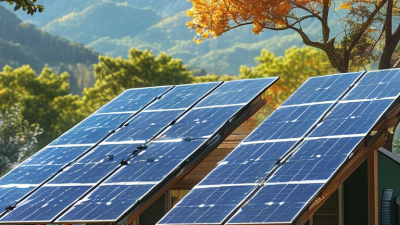
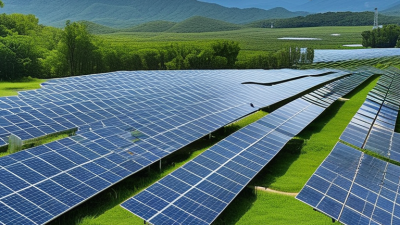
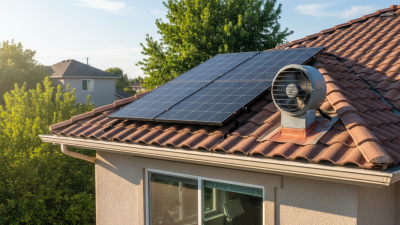
Exploring renewable energy sources can lead to significant long-term savings on electric bills. According to the U.S. Department of Energy, homeowners can save up to $1,500 annually by using solar panels. This figure emphasizes both the financial benefits and the importance of transitioning to clean energy.
Harnessing wind and solar power reduces reliance on fossil fuels. The International Renewable Energy Agency notes that renewable energy costs have dropped dramatically. In many areas, solar energy is now cheaper than traditional electrical sources. Transitioning to renewables helps mitigate climate change, a pressing global issue.
However, switching to renewable energy isn’t without challenges. Initial installation costs can be high. Not everyone can afford solar panels or wind turbines immediately. Many people hesitate due to perceived risks, such as fluctuating energy needs or local regulations. It’s crucial to assess your specific circumstances and research local incentives or subsidies for making the transition financially viable.
Practicing Behavioral Changes: Simple Habits to Lower Energy Expenditure
Adopting simple behavioral changes can significantly lower your energy consumption. Start by examining daily habits. For instance, turning off lights when leaving a room may seem trivial, but it adds up over time. Ensure that you unplug devices not in use. Chargers and electronics still draw power when idle. It's a small act that fosters mindfulness about energy use.
Consider your thermostat settings. Lowering it a few degrees in winter or raising it in summer can make a substantial difference. Adjust the thermostat when you are away or asleep. Combine this with wearing appropriate clothing indoors to maintain comfort without relying solely on heating or cooling systems.
Reflect on the time spent in front of screens. It may unintentionally lead to an increase in energy use. Try to reduce screen time. Encourage family members to read or engage in activities that don’t rely on electricity. These habits not only conserve energy but also create richer, more meaningful interactions.