- Spanish-Latin America
- Japanese-JP
- Chinese
- Europe
- Português-BR

Tech Support
(888) 598-9901
Hours: Mon-Fri 8AM-8PM EST
nep-usa@site_ea168614-f5f4-4298-bd5b-880b4cf8d99d
10 Tricycle Motor Bike Buying Tips for Global Buyers?
Buying a Tricycle Motor Bike for international use requires more than comparing prices online. Global buyers must examine payload capacity, engine performance, road conditions, service access, and long-term operating costs. A vehicle that looks affordable in a product photo may struggle on steep roads or under heavy cargo.
Daniel Okoro, a three-wheel mobility consultant with field experience in emerging markets, offers a practical reminder: “A low purchase price is not a low operating cost.” That warning deserves attention. Buyers should ask for verified specifications, warranty terms, spare-parts availability, and maintenance instructions before placing an order. Check the frame. Test the brakes. Inspect the cargo bed.
These ten buying tips are designed for importers, fleet operators, small businesses, and individual users. They explain how to compare petrol, diesel, and electric models without relying on attractive promises alone. Battery range may change with weather, load, and road quality. Fuel economy can also vary in real work.
Small details matter.
A responsible buyer should confirm dimensions, packaging protection, delivery arrangements, and after-sales communication. Local mechanics may understand engines well but lack experience with unfamiliar transmission systems. That gap can become expensive. I also recognize that no checklist can predict every market challenge. Supplier claims require independent verification, and a perfect model may not exist. Still, careful research can reduce preventable mistakes and support a safer, more dependable purchase.
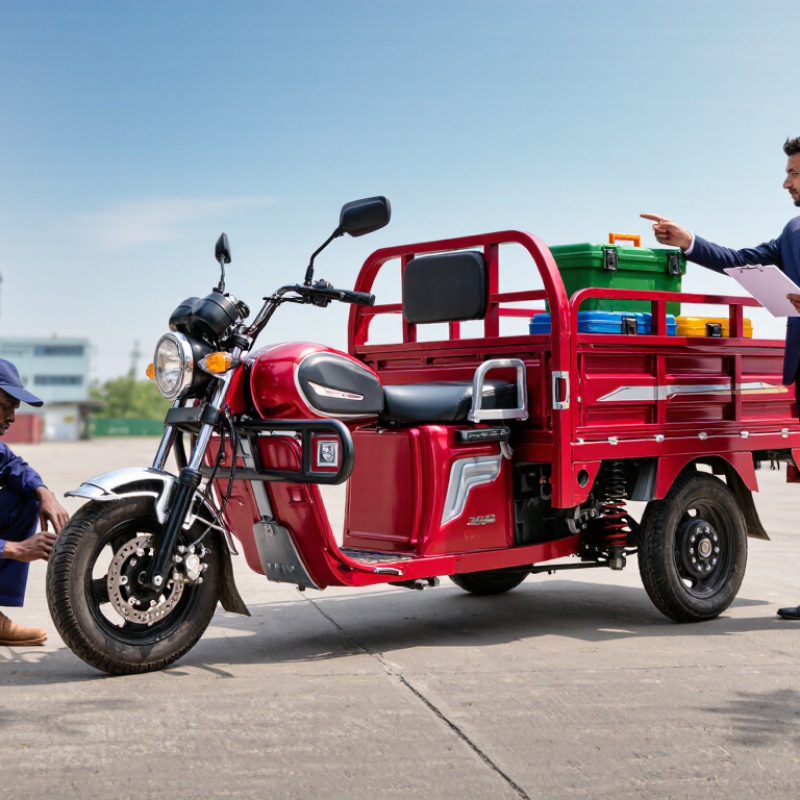
Define Your Cargo, Passenger, and Route Requirements
A reliable tricycle motor bike starts with a clear job description. Define whether it will carry cargo, passengers, or both. A vegetable seller may need a flatbed, while a family shuttle needs protected seating and sturdy handrails. Write down the usual load, not the heaviest load you imagine.
Route conditions matter just as much. Measure daily distance, road width, slopes, traffic, and surface quality. A narrow urban lane requires tight steering and compact dimensions. Rough rural roads demand stronger suspension, higher ground clearance, and durable tires. Passenger comfort changes quickly on uneven roads.
Buying tips: Weigh your normal cargo with packaging included. Count passengers, including children, and check the permitted seating capacity. Ask for verified payload, braking performance, battery or fuel range, and service records. Test the vehicle on your real route when possible. A short showroom drive can hide weak hill performance. Check local registration, lighting, helmet, and load requirements before purchase.
Leave a safety margin. Do not choose a vehicle that operates at its maximum rating every day. Oversized capacity can also waste money and energy. I have seen buyers focus on engine power while ignoring turning space and loading height.
That mistake becomes expensive during daily work. Carrying wet goods, loose tools, or tall boxes may require tie-down points and side protection. Think beyond the brochure.
Get in touch
Our mission is to develop cutting-edge clean energy technology and provide next-generation solar inverters.
Phone
(888) 598-9901
nep-usa@site_ea168614-f5f4-4298-bd5b-880b4cf8d99d
