We use our own and third-party cookies to improve our services. If you continue browsing, we will consider that you accept this use. Read More

OK

English-US
  • Spanish-Latin America
  • Japanese-JP
  • Chinese
  • Europe
  • Português-BR

Tech Support

(888) 598-9901
Hours: Mon-Fri 8AM-8PM EST

E-mail

nep-usa@site_ea168614-f5f4-4298-bd5b-880b4cf8d99d

Top Electricity Providers in 2026 What You Need to Know?

As we approach 2026, the landscape of electricity providers is set to change dramatically. The demand for energy is growing. People are more conscious of where their power comes from. Choosing the right electricity provider can affect your wallet and the planet.

New technologies and policies are influencing electricity providers. Green energy sources, like solar and wind, are gaining traction. Some traditional providers are struggling to adapt. They often lag behind newer companies that focus on sustainable solutions. Customers now have more choices than ever. But with choices come challenges, such as understanding pricing and contract terms.

Navigating this evolving market can be confusing. It’s crucial to stay informed about your options. Researching the best electricity provider for your needs will take time and effort. An informed decision can lead to savings and a cleaner environment. Yet, many still overlook the importance of these choices. Reflecting on the impact of our energy decisions is vital as we move forward.
Top Electricity Providers in 2026 What You Need to Know?

Overview of the Electricity Market Landscape in 2026

The electricity market landscape in 2026 will present significant changes. As renewable energy sources expand, traditional power grids could struggle. It’s expected that solar and wind will dominate new installations. However, integrating these energy types poses challenges for existing infrastructures. Some areas may face reliability issues, especially during peak demand times.

Consumer choices are likely to diversify. Smart home technologies will play a crucial role. Enhanced energy management systems will allow individuals to monitor their consumption efficiently. However, many households may still find it difficult to navigate these new technologies. There will be a learning curve that could deter some users from fully embracing these innovations.

Regulatory changes will also impact the market. Governments might enforce stricter environmental policies. This could increase operational costs for some providers. It's uncertain how these shifts will affect electricity prices. Consumers might need to stay informed to make smart choices in an ever-evolving market landscape. Adapting will be essential, but many may feel overwhelmed by these transitions.
Electricity Consumption by Sector in 2026

Key Players in the Electricity Supply Sector by 2026

As we move towards 2026, the electricity supply sector is poised for significant transformation. A recent industry report indicates that renewable sources will account for over 60% of electricity generation. This shift is driven by technological advancements and policy changes. Countries are investing more in wind and solar energy. However, the transition presents challenges. Some regions still rely heavily on fossil fuels. This dependency complicates the full embrace of clean energy.

Key players in this evolving market are diversifying their portfolios. Many companies are exploring energy storage solutions and smart grids. These innovations can enhance efficiency and reliability. A growing focus is on decentralization, allowing consumers to produce their own energy. This trend has its drawbacks, as not every locality can support such systems. Access to technology and infrastructure remains uneven across different areas.

Regulatory frameworks also need careful consideration. Current policies may not fully support emerging technologies. There are ongoing debates about energy equity and accessibility. Some communities might face barriers in benefiting from green investments. Balancing growth with sustainability will be crucial as we approach 2026. The electricity sector is at a crossroads, and its future remains not entirely clear.

Emerging Technologies Impacting Electricity Providers

The landscape of electricity providers is evolving rapidly as emerging technologies reshape the industry. Smart grids are revolutionizing how energy is distributed. These grids use sensors and automation to optimize energy flow. They enable real-time monitoring and allow for quicker responses to outages. This technology promises greater reliability but also raises questions about cybersecurity risks. Who will secure these systems from attacks?

Another significant development is the rise of renewable energy sources. Solar and wind power are becoming mainstream. Many providers are investing heavily in these technologies. This shift reduces dependence on fossil fuels, but not without challenges. The intermittent nature of solar and wind energy requires better storage solutions. Current storage technologies are still not sufficient to meet high demand without fossil fuel support.

Electric vehicles are also impacting electricity providers. They will increase the demand for electricity, especially during peak hours. Charging infrastructure needs to expand rapidly. The way people use energy is changing, and providers must adapt. Balancing supply and demand remains a complex issue. Emerging technologies offer exciting opportunities but also highlight areas needing more focus.

Regulatory Changes Influencing Electricity Providers in 2026

Top Electricity Providers in 2026 What You Need to Know?

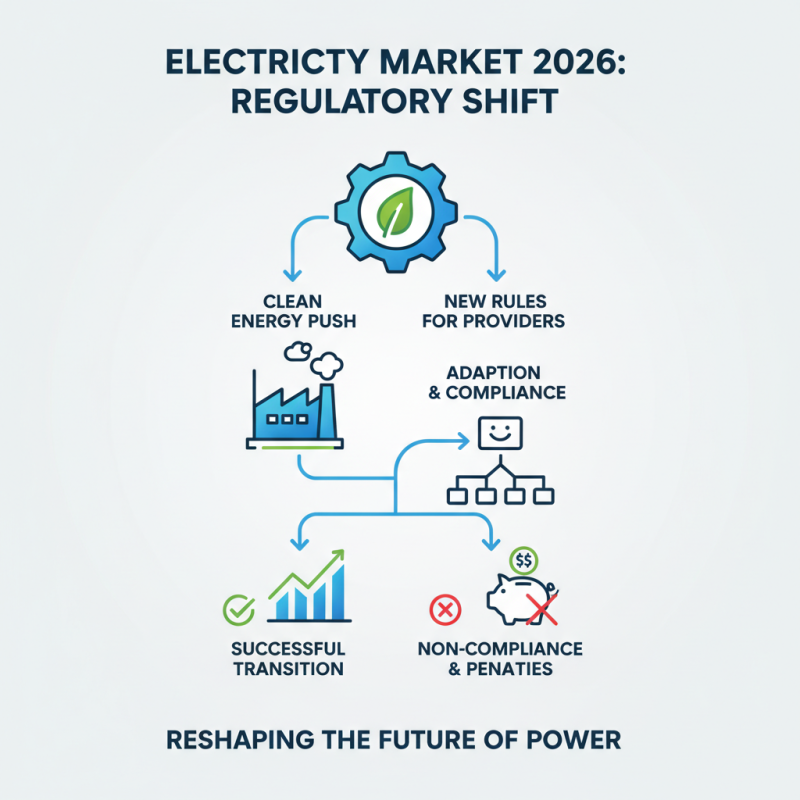
Regulatory changes are reshaping the electricity market in 2026. Governments are pushing for cleaner energy sources. This shift creates new rules for electricity providers. Energy companies must adapt quickly. Compliance with these regulations is not always straightforward. Some companies struggle to keep up. They face penalties for non-compliance. This can affect their market position.

New policies encourage competition among providers. Innovative billing practices and renewable energy incentives are becoming common. Some regions are seeing increased access to solar and wind options. However, adapting to these changes is not easy for all. Many smaller providers lack resources. They may fall behind established companies. The challenge is finding a balance between sustainability and economic viability.

Customer expectations are evolving too. People want greener options. Transparency in pricing and energy sourcing is more important than ever. Many consumers demand accountability from their electricity providers. As these expectations grow, companies must rethink their strategies. This requires investment and creative thinking. The changing regulatory landscape offers opportunities and risks. Future success may depend on how well providers navigate these complexities.

Consumer Trends and Preferences in Electricity Consumption

Top Electricity Providers in 2026 What You Need to Know?

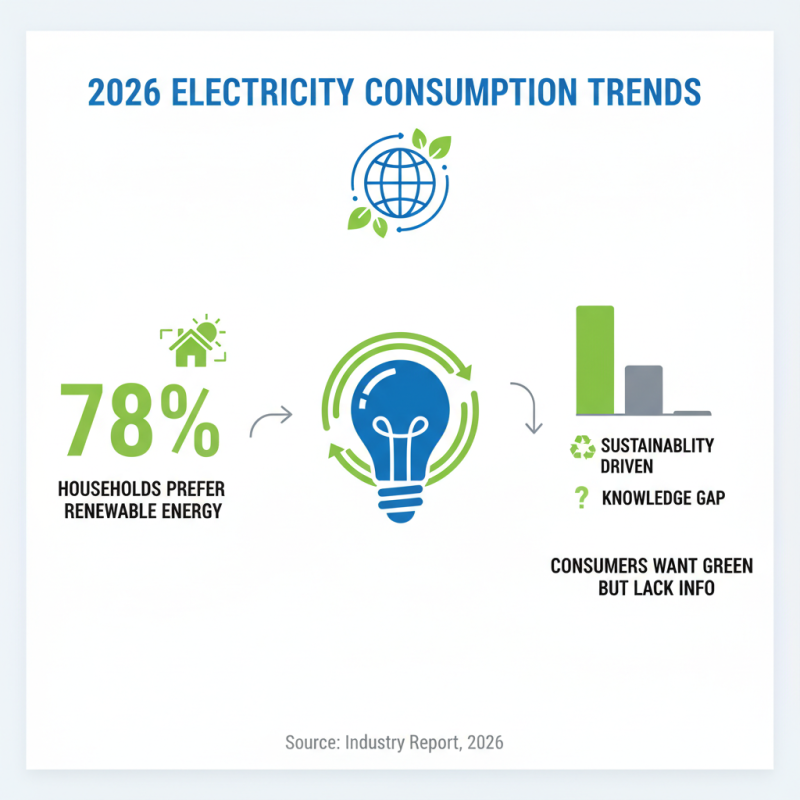
In 2026, electricity consumption patterns are evolving. Consumers are becoming more conscious about their energy choices. A recent industry report shows that 78% of households prefer renewable energy sources. This shift reflects a growing preference for sustainability. However, many consumers still lack detailed knowledge about their options.

The usage of smart meters is on the rise. Over 65% of consumers now have access to smart technology. This allows them to track usage in real time. Data shows that consumers who use smart meters reduce their consumption by 10-15%. Yet, not all demographics are equally engaged. Many older consumers struggle with technology. This gap highlights a need for better education about energy-saving tools.

Interestingly, price remains a central factor in energy choices. While eco-friendly options are preferred, affordability still rules. About 70% of consumers would switch to a cheaper source, even if it's less sustainable. This reflects a complex conflict between values and budget constraints. The future of electricity consumption hinges on balancing cost and sustainability. Consumers must navigate these choices carefully.

Get in touch

Our mission is to develop cutting-edge clean energy technology and provide next-generation solar inverters.

Phone

(888) 598-9901

E-mail

nep-usa@site_ea168614-f5f4-4298-bd5b-880b4cf8d99d