We use our own and third-party cookies to improve our services. If you continue browsing, we will consider that you accept this use. Read More

OK

English-US
  • Spanish-Latin America
  • Japanese-JP
  • Chinese
  • Europe
  • Português-BR

Tech Support

(888) 598-9901
Hours: Mon-Fri 8AM-8PM EST

E-mail

nep-usa@site_ea168614-f5f4-4298-bd5b-880b4cf8d99d

What is Permanent Magnet Screw Air Compressor Benefits and Uses?

The Permanent Magnet Screw Air Compressor represents a key advancement in compressed air technology. According to a recent industry report by MarketsandMarkets, the global market for air compressors is expected to grow at a CAGR of over 4% from 2023 to 2028. This growth reflects the rising demand for energy-efficient solutions, where the Permanent Magnet Screw Air Compressor shines.

These compressors utilize permanent magnets for enhanced efficiency, achieving energy savings of approximately 15% to 30% compared to traditional models. This added efficiency leads to lower operational costs, making them increasingly popular in various industries. However, some users may overlook the initial higher investment.

As organizations strive for sustainability, the reliability of Permanent Magnet Screw Air Compressors becomes crucial. They deliver consistent performance with reduced maintenance requirements. Yet, potential users must consider factors such as installation space and system integration to fully leverage the benefits. The combination of energy efficiency and reliability positions these compressors as a formidable choice for modern industrial needs.
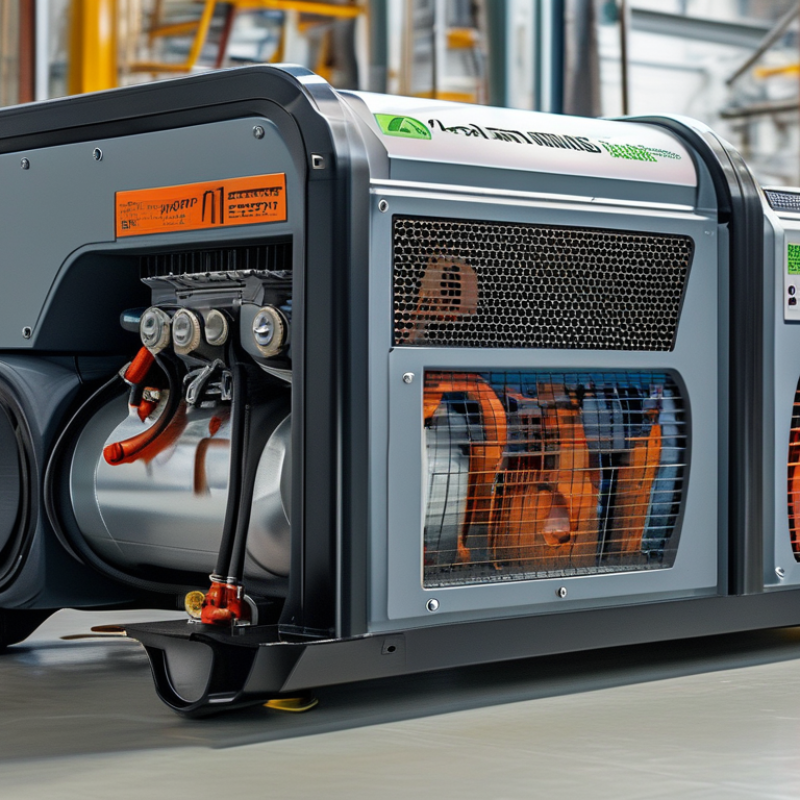
What is Permanent Magnet Screw Air Compressor Benefits and Uses?

Definition of Permanent Magnet Screw Air Compressor

A Permanent Magnet Screw Air Compressor is an advanced type of compressor. It uses permanent magnets for better efficiency. These compressors stand out for their compact design and high performance. Unlike traditional compressors, they provide consistent airflow with lower energy consumption. This technology also reduces maintenance needs, extending the lifespan of the unit.

The unique design employs synchronous motors. This ensures that the compressor operates quietly and smoothly. Operators often notice reduced vibration and noise levels, making these compressors ideal for settings where workspace quietness is key. Many industries benefit from such compressors, including manufacturing and food processing. The ability to run efficiently at partial loads makes them versatile across various applications.

Tips: Regularly check the air filters to maintain optimal operation. Monitor energy consumption to evaluate efficiency. Understanding the compressor's specifications can lead to better operation decisions. Reflect on the unit's performance regularly to identify any potential improvements.

What is Permanent Magnet Screw Air Compressor Benefits and Uses?

Dimension Value
Energy Efficiency High (up to 30% savings)
Noise Level Low (below 70 dB)
Maintenance Requirement Low
Typical Applications Manufacturing, Food Processing, Pharmaceutical
Lifespan Long (up to 15 years)
Size/Footprint Compact design
Control Method Variable Speed Drive (VSD)

Key Benefits of Using Permanent Magnet Screw Air Compressors

Permanent magnet screw air compressors offer a range of benefits that can significantly enhance industrial operations. One major advantage is their energy efficiency. These compressors use permanent magnets in the motor, allowing for variable speed control. This means they only use power when needed, resulting in lower energy bills. Many facilities can see a reduction in their energy costs by up to 30%. Such savings can have a substantial impact on overall operational budgets.

Another important benefit is their compact design. Unlike traditional compressors, permanent magnet screw air compressors are smaller and lighter. This allows for easier installation in tight spaces. Facilities with limited room for equipment find these compressors particularly useful. Additionally, their quieter operation is more pleasant in working environments, reducing noise pollution. Less noise means a better working atmosphere for employees.

Despite these advantages, there are potential challenges with permanent magnet technology. Initial costs can be higher than conventional models. It's essential for businesses to consider long-term savings versus upfront investments. Maintenance practices also require careful attention. While these compressors can be highly reliable, their complexity can lead to higher maintenance needs over time. Organizations should weigh these factors when deciding on their air compressor solutions.

Common Applications and Industries Utilizing these Compressors

Permanent magnet screw air compressors have gained traction in various industries due to their efficiency and reliability. They are commonly found in manufacturing, food processing, and automotive sectors. These compressors provide a steady supply of compressed air, which is essential for powering tools and machinery.

In the manufacturing industry, permanent magnet compressors are favored for their energy savings. They adjust their speed based on demand, minimizing energy waste. This flexibility makes them ideal for fluctuating production schedules. In food processing, these compressors supply clean air for packaging and handling food products, ensuring safety and hygiene.

Tips for selecting the right compressor include evaluating air requirements and existing equipment compatibility. It's crucial to consider energy efficiency ratings. They can significantly affect operational costs over time. Additionally, regular maintenance is vital for optimal performance. Small issues can lead to larger problems if not addressed promptly.

Moreover, in industries like construction and automotive repair, having reliable compressed air power is non-negotiable. These compressors can run multiple pneumatic tools simultaneously. However, it's essential to assess the noise levels, as some applications require quieter operations.

Understanding the strengths and limitations of permanent magnet screw air compressors helps in making informed choices. Balancing efficiency, cost-effectiveness, and specific application needs is key to maximizing their potential.

Comparison with Traditional Air Compressors: Advantages and Drawbacks

Permanent magnet screw air compressors are gaining popularity due to their efficiency. They use a magnetic field to drive the motor, enhancing energy savings. This design reduces energy consumption significantly compared to traditional air compressors, which rely on induction motors.

However, they do come with drawbacks. The initial cost of permanent magnet compressors is often higher. Maintenance can also be more complex. Users might find themselves facing higher repair costs if something goes wrong. While energy savings are notable, the return on investment takes time to realize.

In contrast, traditional air compressors are generally more straightforward. They are often less expensive upfront and easier to maintain. For smaller operations, these units may fit better within budget constraints. Yet, in terms of energy efficiency and performance, they may not measure up to their permanent magnet counterparts over time. Users need to weigh these factors carefully before deciding which system works best for their needs.

Future Trends in Permanent Magnet Screw Air Compressor Technology

The future of permanent magnet screw air compressor technology looks promising. As industries seek energy-efficient solutions, these compressors are evolving to meet high-performance demands. They offer lower energy consumption and a smaller footprint compared to traditional models. This evolution aligns with global movements toward sustainable practices and reduced operational costs.

Innovations in materials and design play a crucial role. For instance, advanced magnet materials increase efficiency and durability. Moreover, smart technology integration allows for real-time monitoring and adjustments. This adaptability can lead to enhanced performance and increased uptime. However, the complexity of these systems may pose challenges in maintenance and troubleshooting.

Despite their advantages, skepticism remains. The initial cost can be higher than conventional compressors. Users must consider long-term savings against upfront investments. Furthermore, while technology continues to advance, the industry still faces hurdles in standardization and compatibility. Balancing innovation with practicality remains key in this evolving landscape.

Benefits of Permanent Magnet Screw Air Compressors

This bar chart illustrates the key benefits of Permanent Magnet Screw Air Compressors, rated on a scale from 1 to 10. The evaluations highlight their strengths in energy efficiency, low noise levels, compact design, the efficiency of variable speed drives, and minimal maintenance needs.

Get in touch

Our mission is to develop cutting-edge clean energy technology and provide next-generation solar inverters.

Phone

(888) 598-9901

E-mail

nep-usa@site_ea168614-f5f4-4298-bd5b-880b4cf8d99d