We use our own and third-party cookies to improve our services. If you continue browsing, we will consider that you accept this use. Read More

OK

English-US
  • Spanish-Latin America
  • Japanese-JP
  • Chinese
  • Europe
  • Português-BR

Tech Support

(888) 598-9901
Hours: Mon-Fri 8AM-8PM EST

E-mail

nep-usa@site_ea168614-f5f4-4298-bd5b-880b4cf8d99d

10 Essential Tips for Maximizing Rooftop Solar Power Efficiency

Rooftop solar power has become a significant player in the quest for sustainable energy. According to Dr. Emily Carter, a leading expert in renewable energy, “Harnessing rooftop solar power efficiently can transform our approach to energy consumption.” Her insights emphasize the importance of maximizing solar energy potential.

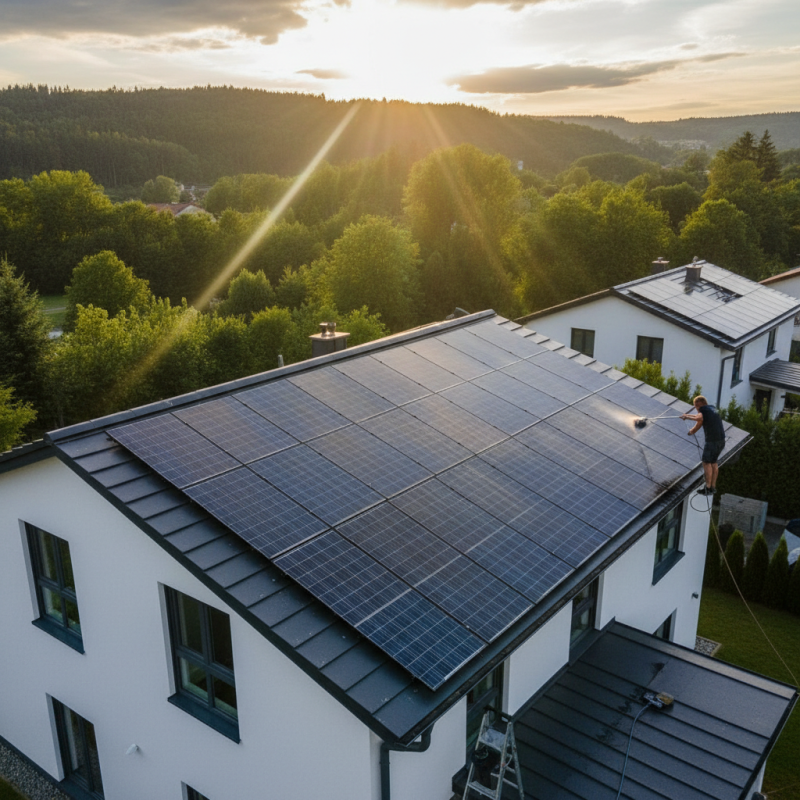
Many homeowners overlook key strategies to enhance their rooftop solar power systems. Simple adjustments can lead to significant efficiency gains. For example, regular cleaning of solar panels can improve performance. Neglecting this aspect may mean losing up to 20% of potential energy output.

Understanding your local climate is also crucial for rooftop solar power efficiency. Different regions experience varying levels of sunlight, which affects solar energy production. Homeowners must consider these factors when planning their systems. This oversight can easily lead to underwhelming results. By paying attention to these details, you can achieve a more effective and rewarding solar energy experience.
10 Essential Tips for Maximizing Rooftop Solar Power Efficiency

Understanding Solar Power Basics for Rooftop Systems

Rooftop solar systems harness sunlight to generate energy. Understanding the fundamentals is crucial for efficiency. Solar panels convert sunlight into electricity via photovoltaic cells. This process is affected by various factors like placement and angle. A well-angled panel can capture more sunlight. Shade from nearby trees or buildings can drastically lower output.

Orientation matters. South-facing panels often perform better in the northern hemisphere. Regular cleaning keeps panels clear of dust and debris. Dirty panels absorb less sunlight. This simple step is often overlooked but essential for maximum efficiency. Many homeowners forget to check for shading, which can impact performance.

Monitoring energy production helps in identifying issues. If output drops unexpectedly, something may be wrong. Regular maintenance is also necessary. It may reveal wear and tear that could hinder efficiency. Not all installations are perfect from the start. Adjustments could be needed for optimal performance. Taking these steps enhances solar power efficiency significantly.
10 Essential Tips for Maximizing Rooftop Solar Power Efficiency

This chart illustrates the efficiency improvements of rooftop solar systems based on various optimization techniques. Each bar represents the percentage increase in efficiency achieved through specific methods.

Choosing the Right Location and Angle for Maximum Sun Exposure

Choosing the right location and angle for your rooftop solar panels is crucial for maximizing efficiency. The ideal spot needs ample sun exposure throughout the day. A south-facing roof often captures the most sunlight. Check for shading from trees or buildings. Even small obstructions can reduce performance significantly.

The angle of installation also matters. Tilt your panels between 30 to 45 degrees for optimal sun capture. This angle changes with seasons, leading to different energy outputs. Regularly reassess your setup as vegetation grows or nearby structures change. A flexible approach can lead to better results.

Many overlook these details, leading to suboptimal energy production. If your panels aren’t installed at the best angle, you might miss out on significant savings. Experimenting with different placements can feel daunting, yet it’s essential. Keep evaluating your roof’s potential for sunlight.

10 Essential Tips for Maximizing Rooftop Solar Power Efficiency - Choosing the Right Location and Angle for Maximum Sun Exposure

Tip Number Tip Description Recommended Angle (Degrees) Location Factors
1 Choose a location with minimal shade 30 Near trees, buildings, or tall structures
2 Install panels facing true south 30 Optimal for northern hemisphere
3 Consider a south-southwest orientation 25 Less optimal but better sun capture in afternoon
4 Tilt panels to match your latitude Varies by location General rule: Angle same as latitude
5 Avoid roof obstructions N/A Chimneys, vents, and roof features
6 Utilize tracking systems N/A For enhanced angle adjustment
7 Calculate optimal panel size N/A Space available vs. energy needs
8 Consider seasonal adjustments Varies Change tilt based on seasonal sun path
9 Monitor and maintain system cleanliness N/A Regular cleaning for optimal performance
10 Consult professionals for installation N/A Ensure proper setup and compliance

Selecting High-Efficiency Solar Panels for Optimal Performance

10 Essential Tips for Maximizing Rooftop Solar Power Efficiency

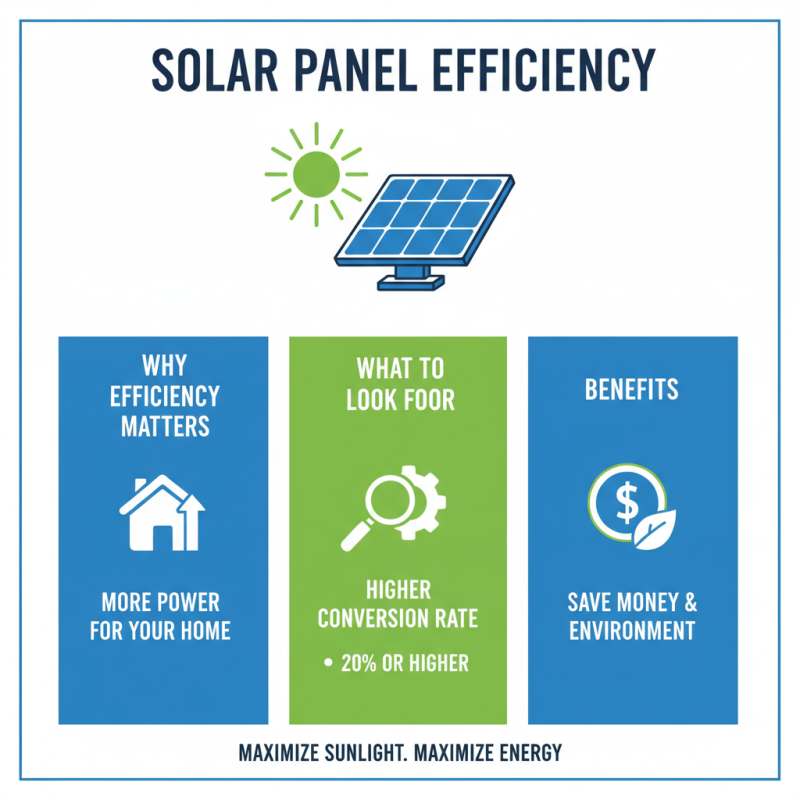
When selecting solar panels, efficiency is key. High-efficiency solar panels can convert more sunlight into usable energy. This means greater electricity production for your home. Look for panels with high ratings in conversion efficiency. Often, these ratings are available in detailed specifications. Panels with an efficiency of 20% or higher are generally better choices.

Consider the materials used in the panels. Monocrystalline panels tend to offer higher efficiency compared to polycrystalline options. Their sleek design also takes up less roof space. However, they can come at a higher price. This raises questions about budget versus performance. Is investing more in efficient panels worth it in the long run? Reflect on your energy needs and patterns to decide.

Additionally, check for warranties. High-quality panels often come with lengthy warranties. This is a good sign of durability and performance reliability. However, keep in mind that warranties can sometimes be misleading. Understanding the fine print may require careful reading. Ask yourself how long you plan to stay in your home. This can impact your return on investment with solar panels.

Maintaining and Cleaning Your Solar Panels Regularly

Regular maintenance and cleaning of solar panels are crucial for optimizing their efficiency. Dirty panels can lose up to 25% of their energy output, according to various studies. Dust, bird droppings, and pollen accumulate over time. This buildup blocks sunlight and decreases the energy generation of your system. A simple washing can restore performance and maximize energy capture.

Surprisingly, many homeowners overlook this simple task. The Solar Energy Industries Association notes that regular cleaning can lead to a significant improvement in energy efficiency. It is often recommended to clean panels at least twice a year. However, in dusty or pollen-heavy areas, monthly cleanings might be necessary. Utilizing a soft brush and clean water is effective. Using harsh chemicals can damage the panels and void warranties.

Monitoring your solar energy output plays a pivotal role in this process. If you notice a sudden drop in production, it may be time for a cleaning session. Additionally, many people neglect to check for physical damage during cleanings. Cracks or loose connections can also affect output. Addressing these issues promptly can ensure optimal performance and longevity of your solar system.

Utilizing Energy Storage Solutions to Enhance Usability of Solar Power

10 Essential Tips for Maximizing Rooftop Solar Power Efficiency

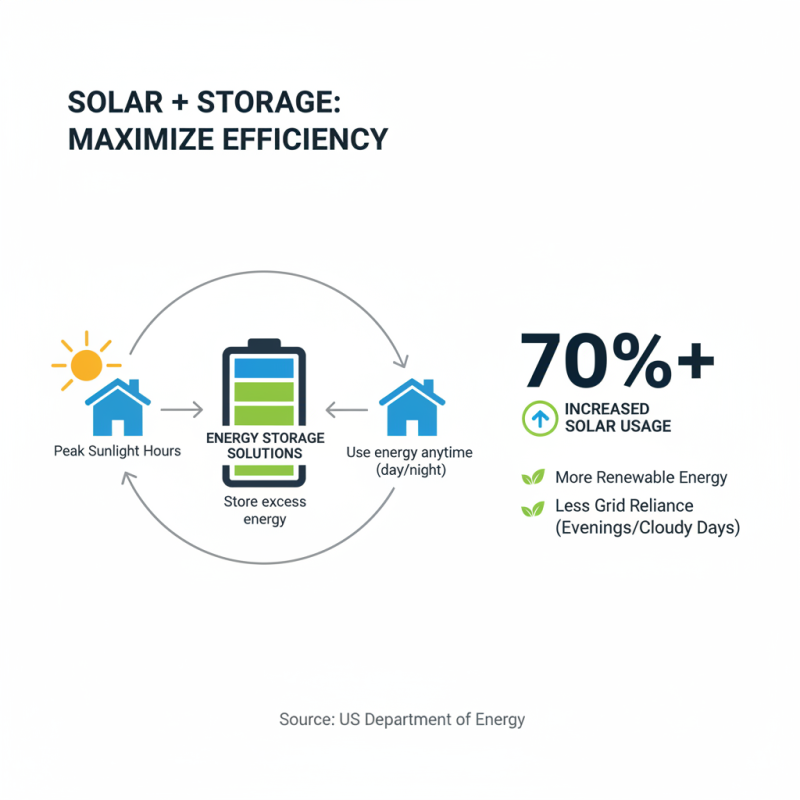
Energy storage solutions play a vital role in maximizing solar power efficiency. They allow for the collection and use of energy generated during peak sunlight hours. According to the U.S. Department of Energy, integrating batteries can increase solar energy usage by over 70%. This means more renewable energy and less reliance on the grid during evenings or cloudy days.

One key tip is to choose the right battery technology. Lithium-ion batteries are popular due to their efficiency and lifespan. However, other options like lead-acid can be more cost-effective upfront. Assess your needs carefully. The initial cost may be high, but energy savings over time are significant.

Consider demand response strategies. These can reduce energy usage during peak times. Monitoring tools can help manage energy flow and optimize storage use. Research indicates that proper management can enhance efficiency by more than 30%. While expanding storage capacity seems beneficial, it also requires maintenance and monitoring. Regular assessments can prevent unexpected costs and inefficiencies.

Get in touch

Our mission is to develop cutting-edge clean energy technology and provide next-generation solar inverters.

Phone

(888) 598-9901

E-mail

nep-usa@site_ea168614-f5f4-4298-bd5b-880b4cf8d99d