- Spanish-Latin America
- Japanese-JP
- Chinese
- Europe
- Português-BR

Tech Support
(888) 598-9901
Hours: Mon-Fri 8AM-8PM EST
nep-usa@site_ea168614-f5f4-4298-bd5b-880b4cf8d99d
What Is an Insulation Wrapping Machine?
An Insulation Wrapping Machine applies protective or thermal insulation around products such as pipes, cables, and shaped components. Depending on its design, it may feed material from a roll, guide the product through a wrapping station, and control overlap or tension. The machine can be manual, semi-automatic, or integrated into a production line. Its exact function depends on the materials and product dimensions it is built to handle.
A consistent wrap matters. Loose layers may shift during handling, while excessive tension can damage delicate insulation or affect its thickness. Operators typically check material alignment, feed speed, overlap, and finished appearance during setup and production. These checks help identify problems early, but they do not replace product-specific testing or the manufacturer’s operating instructions. Small adjustments matter.
The term can be confusing because machines described as insulation wrappers do not all perform the same task. Some apply tape or film around an existing insulated product; others wrap insulation material directly around a pipe or component. That distinction is worth confirming before comparing equipment. A useful evaluation starts with the product’s shape, required insulation material, target output, and acceptable wrap quality. Ask for a demonstration using representative materials when possible. Real production conditions can reveal issues that a catalog description cannot. And no machine is a perfect fit for every line. Understanding its process, limits, and maintenance needs gives buyers and operators a more grounded basis for choosing and using an Insulation Wrapping Machine.
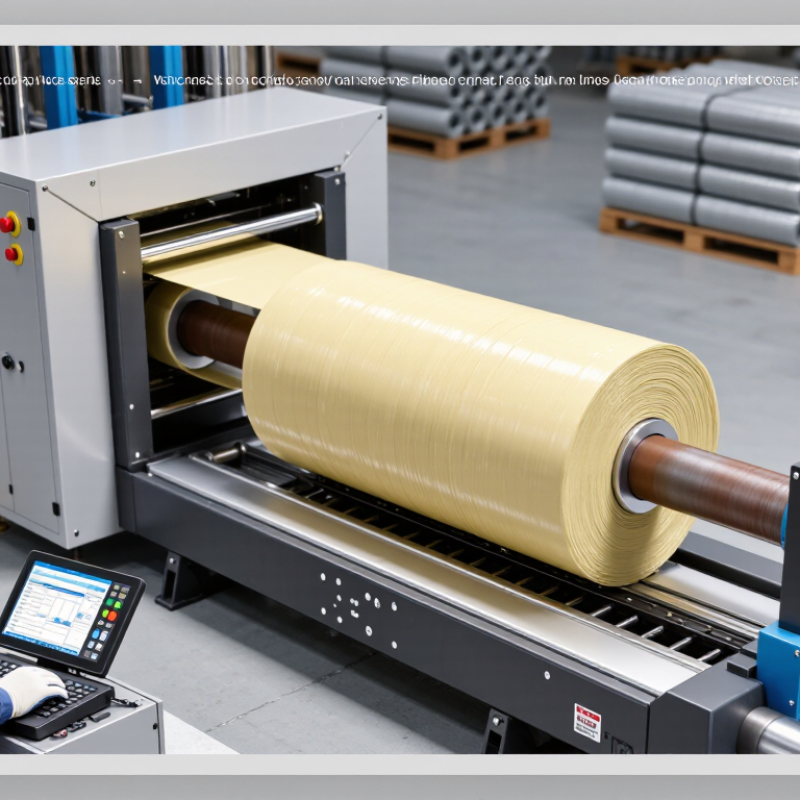
Definition and Purpose of an Insulation Wrapping Machine
An insulation wrapping machine applies insulation or protective facing around a product, such as a pipe, cable, or shaped component. Depending on its design, it may rotate the workpiece or guide wrapping material around a stationary part. Feed rollers control the material, while tension settings help prevent slack or crushing. Some machines also cut the wrap to length or secure its edges. The exact process depends on the insulation type and the product’s shape.
Its purpose is to create a more consistent covering than manual wrapping can usually provide. Even coverage can help limit heat transfer, reduce exposed areas, and protect insulation from handling or moisture. Small gaps matter. A machine can also improve repeatability when many similar parts need wrapping, though it cannot correct poor material selection or a badly prepared surface. Operators still need to check overlap, alignment, and finished thickness. A neat-looking wrap is not always a well-insulated one. Settings that work for a straight pipe may need adjustment for bends, changing diameters, or fragile materials. For this reason, production checks remain useful, even when the wrapping cycle appears stable.
Get in touch
Our mission is to develop cutting-edge clean energy technology and provide next-generation solar inverters.
Phone
(888) 598-9901
nep-usa@site_ea168614-f5f4-4298-bd5b-880b4cf8d99d
