- Spanish-Latin America
- Japanese-JP
- Chinese
- Europe
- Português-BR

Tech Support
(888) 598-9901
Hours: Mon-Fri 8AM-8PM EST
nep-usa@site_ea168614-f5f4-4298-bd5b-880b4cf8d99d
How Can China Best Products Help You Save on Energy?
Choosing the right products from China can help households save on energy without sacrificing daily comfort. However, “best” should mean verified performance, not simply a low purchase price. Efficient LED lamps, inverter air conditioners, heat-pump water heaters, smart plugs, and insulated appliances may reduce electricity use when selected carefully.
Look beyond attractive packaging. Check the product’s rated power, annual energy consumption, operating noise, warranty terms, and safety certifications required in your country. A smart plug can reveal how much a refrigerator or heater actually consumes overnight. An efficient lamp may use 9 watts while producing light similar to an older 60-watt bulb. Small changes become visible on a monthly electricity bill.
Real experience also reveals limits. Some low-cost products perform well, while others fail to provide reliable efficiency data. Independent laboratory tests, recognized certification marks, and clear manufacturer documentation deserve more trust than dramatic online claims. Compatibility matters too. A voltage mismatch, weak after-sales support, or unavailable replacement part can erase expected savings.
The goal is simple: save on energy through informed purchasing and sensible use. Compare lifetime costs, not only shelf prices. Track consumption before and after installation. Results will differ by climate, household habits, electricity rates, and product quality. That uncertainty should be acknowledged. Even a well-reviewed device may not reduce consumption if it runs unnecessarily. Careful selection, installation, and regular maintenance create more dependable savings than marketing promises.
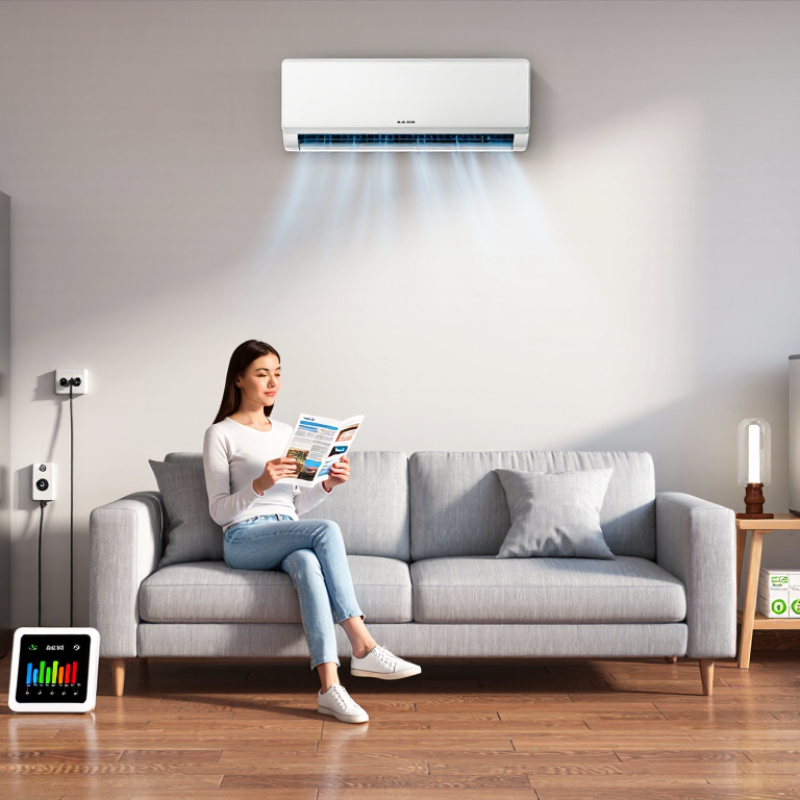
What Makes China’s Energy-Saving Products Effective
China’s energy-saving products are effective because they combine efficient engineering with large-scale manufacturing. High-volume production helps reduce costs and improve component consistency. Efficient motors, LED lighting, heat-pump systems, and smart controls can lower daily electricity demand. The International Energy Agency reported that global energy intensity improved by 2.2% in 2022. However, annual progress must reach about 4% by 2030 to meet climate targets. This gap makes practical efficiency more important.
Performance depends on testing, installation, and user habits. A high-efficiency appliance may waste energy if its settings are poorly managed. China Energy Label data helps buyers compare products through rated consumption and efficiency levels. The IEA also notes that efficient appliances and equipment are essential to reducing demand across homes and businesses. In real use, better insulation, variable-speed motors, and automatic standby control can create visible savings. Still, not every low-cost product performs equally well. Independent testing remains necessary.
Tips:
- Check annual energy consumption, not only the efficiency grade.
- Compare measured noise, standby power, and warranty terms.
- Ask for laboratory test reports based on recognized standards.
- Match the product with your climate and room size.
- Record monthly electricity use before and after installation. The result may be smaller than expected, but that comparison reveals what needs improvement.
Related Posts
-

Why Is Energy Saving Important in Global Sourcing?
-

How to Reduce Your Power Bill in China?
-
2026 Top Electricity Saving Box Reviews and Benefits for Homeowners
-
How to Choose the Right Power Electric Appliance for Your Home?
-
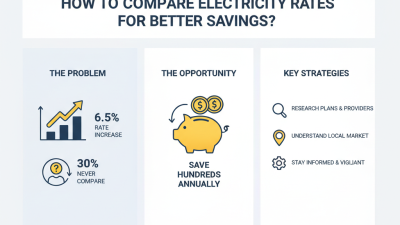
How to Compare Electricity Rates for Better Savings?
-
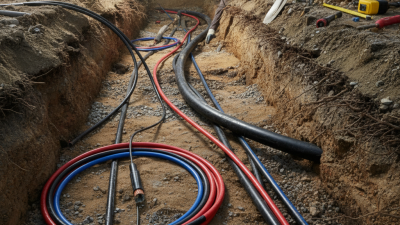
China Best Underground Electrical Wire Options for Your Projects?
Get in touch
Our mission is to develop cutting-edge clean energy technology and provide next-generation solar inverters.
Phone
(888) 598-9901
nep-usa@site_ea168614-f5f4-4298-bd5b-880b4cf8d99d
