We use our own and third-party cookies to improve our services. If you continue browsing, we will consider that you accept this use. Read More

OK

English-US
  • Spanish-Latin America
  • Japanese-JP
  • Chinese
  • Europe
  • Português-BR

Tech Support

(888) 598-9901
Hours: Mon-Fri 8AM-8PM EST

E-mail

nep-usa@site_ea168614-f5f4-4298-bd5b-880b4cf8d99d

10 Essential Tips for Using a Solar Powered Outlet Effectively

In an era of increasing awareness about sustainable energy, utilizing a solar powered outlet can transform how we consume electricity. John Green, a renewable energy expert, emphasizes, “The right use of a solar powered outlet can change energy consumption patterns.” This statement highlights the importance of understanding how to maximize the benefits of solar technology in our daily lives.

By tapping into solar energy, we can reduce reliance on traditional power sources. Yet, many people overlook key aspects of their solar powered outlets. For example, positioning the outlet to capture optimal sunlight can greatly influence its efficiency. This is often underestimated, leading to less energy production.

Moreover, while solar powered outlets offer flexibility, they require thoughtful integration into daily routines. Rushing into usage without proper planning can lead to disappointing results. It’s crucial to recognize the learning curve involved. Embracing these outlets means trial and error. Users must reflect on their experiences to truly harness the potential of solar energy in their homes.
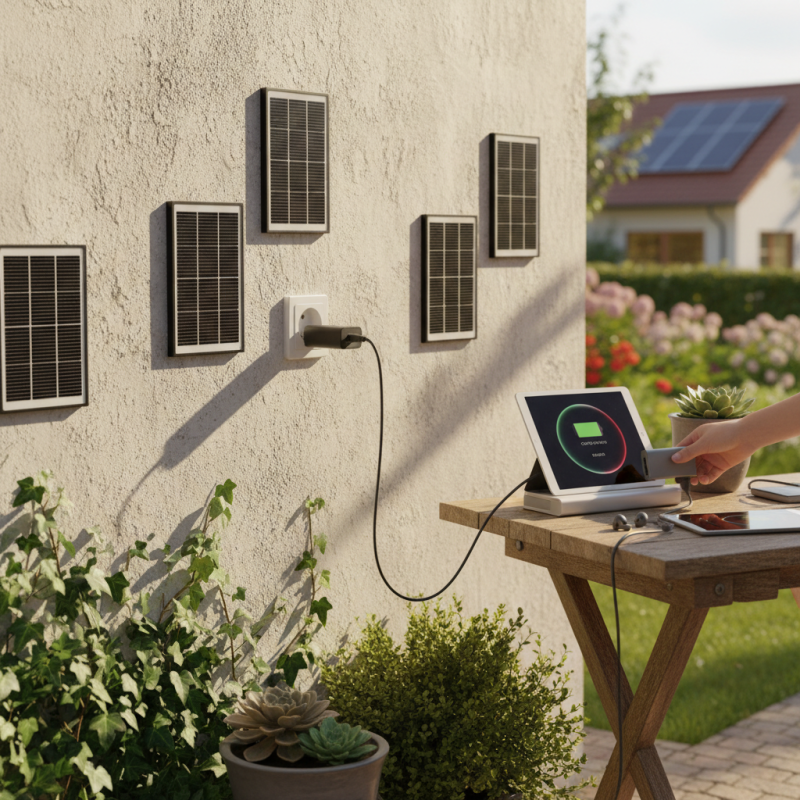
10 Essential Tips for Using a Solar Powered Outlet Effectively

Understanding Solar Powered Outlets: How They Work and Their Benefits

Solar-powered outlets harness sunlight to generate electricity. They work by converting solar energy using photovoltaic cells. When sunlight hits these cells, they produce direct current (DC) electricity. This electricity is then converted into alternating current (AC) for use in homes or businesses. The main benefit? Sustainability. Using solar energy reduces dependency on fossil fuels.

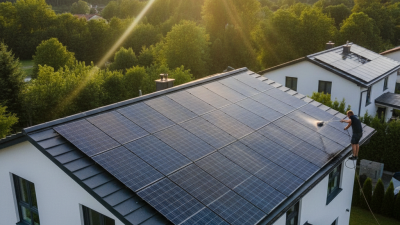
To use solar-powered outlets effectively, consider local weather patterns. If you live in an area with frequent cloudy days, ensure your system can store energy. Battery storage is key in maximizing efficiency. Keep your solar panels clean, too. Dust and debris can block sunlight, reducing performance.

Plan your energy usage. During peak sunlight hours, use high-energy devices. This strategy can prevent overload on your system. Sometimes, avoiding usage during evenings may be necessary. Understanding these dynamics can enhance your experience with solar-powered outlets. Think about your energy habits, and make adjustments if needed.
Choosing the Right Location for Your Solar Powered Outlet Installation

Choosing the right location for your solar powered outlet installation is crucial for maximizing its efficiency. The ideal spot should receive direct sunlight for most of the day. Look for areas without large trees or nearby buildings that could cast shade. A south-facing wall or roof is often the best choice. However, even with the perfect orientation, obstacles can arise. Consider the shifting seasons; the sun’s trajectory changes throughout the year. You may need to adjust your placement as seasons change.

Take into account your specific needs for power. Install your outlet where you plan to use it most. If you need it in the garden, position it near your tools or seating area. It’s frustrating to have to extend long cables or frequently move equipment. Sometimes, planning the layout doesn't go as expected. You might find your chosen location is not ideal after installation. Keep an open mind and be ready to adapt your setup accordingly. Solar power is an investment, and a little flexibility can go a long way.

Energy Output Comparison of Solar Powered Outlets by Location

Optimal Sizing and Power Output Considerations for Solar Devices

10 Essential Tips for Using a Solar Powered Outlet Effectively

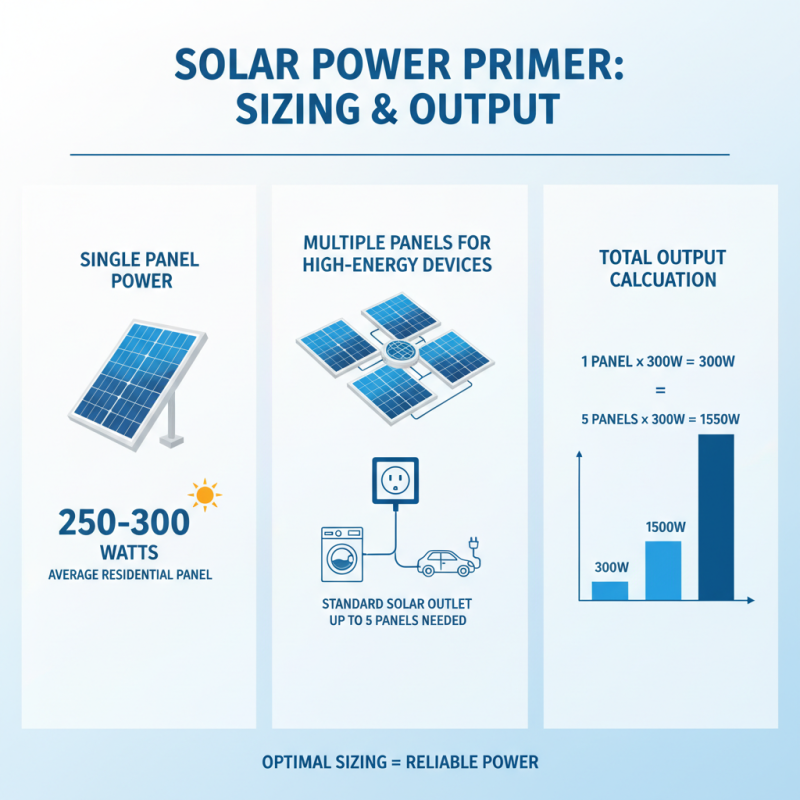
When considering solar devices, optimal sizing and power output are crucial. The average residential solar panel generates about 250 to 300 watts per panel. This means that for larger devices, multiple panels may be necessary. For instance, a standard solar outlet may need up to five panels to support high-energy appliances.

However, it's essential to assess actual energy needs. Sometimes, homeowners overestimate their power requirements. A common mistake is using too large a system. Reports show that 30% of residential solar installations produce excess energy. This can lead to inefficiencies. Sizing your solar outlet properly ensures you’re not wasting potential savings.

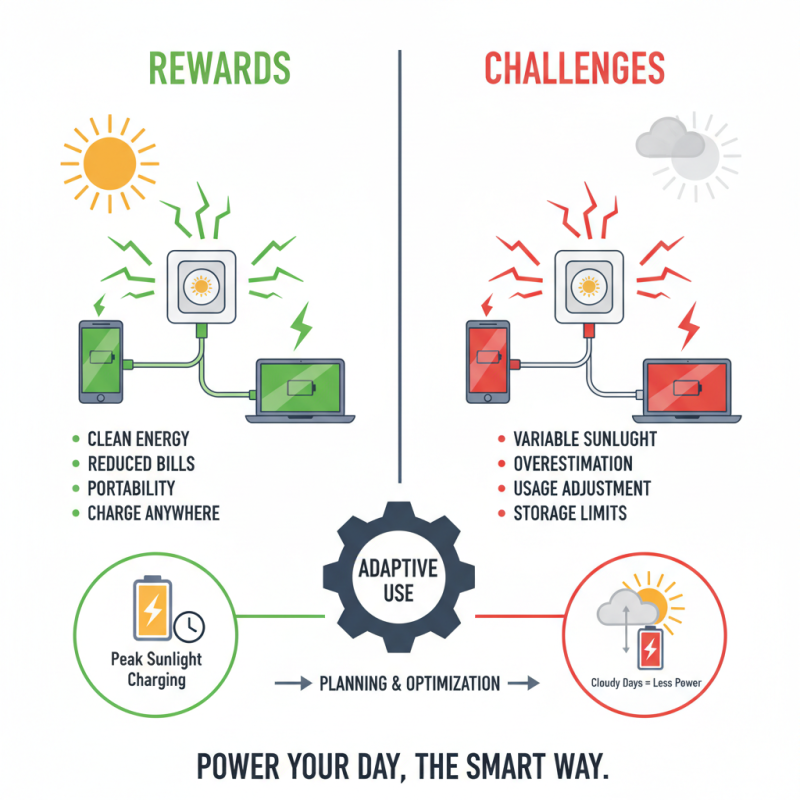
Outdoor solar devices often have varying outputs depending on sunlight exposure. For instance, solar lights may produce significantly less power on cloudy days. This variability necessitates a thoughtful approach when planning usage. Inadequate battery storage can further complicate this. An optimal battery size will depend on the total wattage of devices expected to be used. It’s advisable to have a backup plan.

Maintaining and Troubleshooting Your Solar Powered Outlet

When maintaining a solar-powered outlet, regular checks are crucial. Ensure the panels are clean from dirt or debris. Sometimes, a thorough cleaning can make a significant difference in efficiency. If you notice decreased power output, it might be time to inspect the connections. Tighten loose wires and confirm there are no damaged components.

Troubleshooting can be straightforward. Check for shading on the solar panels, as it can drastically lower performance. Even a small obstruction can impact power generation. If the outlet isn’t working, reset the system. Sometimes, simply powering it off and then back on can resolve minor issues.

Remember, using your outlet effectively requires awareness of its limitations. Monitor the weather, since cloudy days may lower energy production. Charge your devices during peak sunlight hours whenever possible. Focus on regular maintenance to ensure long-term performance and reliability, even if it takes a little extra effort.

10 Essential Tips for Using a Solar Powered Outlet Effectively

Tip Number Tip Description Frequency
1 Regular Cleaning Keep the solar panels free of dirt and debris. Monthly
2 Proper Positioning Ensure panels are oriented towards sunlight. Daily
3 Check Connections Inspect wiring and connections for corrosion. Bi-Annually
4 Battery Maintenance Ensure batteries are in good condition and charged. Monthly
5 Monitor Performance Track energy output to identify potential issues. Weekly
6 Use Energy Efficient Devices Select devices that maximize solar energy use. Always
7 Plan for Shading Avoid placing panels where trees or buildings may block sunlight. Before Installation
8 Understand Local Regulations Be aware of laws and incentives related to solar use. During Planning
9 Keep Safety in Mind Always follow safety protocols when working with devices. Always
10 Seek Professional Help Consult experts for installation and troubleshooting. As Needed

Tips for Maximizing Energy Efficiency with Your Solar Setup

10 Essential Tips for Using a Solar Powered Outlet Effectively

Using a solar powered outlet can be rewarding, but there are challenges. One common issue is overestimating energy production on cloudy days. It's essential to plan for variability in sunlight. Adjust your usage patterns to accommodate this. For example, charge devices during peak sunlight hours.

Additionally, pay close attention to your energy needs. Some appliances consume more power than you realize. Consider using energy-efficient devices to maximize your solar setup. Simple LED lights or low-power appliances can make a significant difference. Keep track of your usage to identify where you can save.

Monitor your battery levels regularly. Sometimes, they may not charge as expected. Over time, this can lead to inefficiency. If issues arise, reflect on your system's layout. Are trees or buildings obstructing sunlight? Making small adjustments can enhance performance. Embracing this learning process boosts energy efficiency in the long run.

Get in touch

Our mission is to develop cutting-edge clean energy technology and provide next-generation solar inverters.

Phone

(888) 598-9901

E-mail

nep-usa@site_ea168614-f5f4-4298-bd5b-880b4cf8d99d