We use our own and third-party cookies to improve our services. If you continue browsing, we will consider that you accept this use. Read More

OK

English-US
  • Spanish-Latin America
  • Japanese-JP
  • Chinese
  • Europe
  • Português-BR

Tech Support

(888) 598-9901
Hours: Mon-Fri 8AM-8PM EST

E-mail

nep-usa@site_ea168614-f5f4-4298-bd5b-880b4cf8d99d

10 Essential Tips for Using an Electricity Saving Box Effectively?

The rising cost of electricity has become a pressing concern for many households. The electricity saving box has emerged as a popular solution, promising to reduce energy consumption and lower bills. John Smith, an industry expert in energy efficiency, states, “Using an electricity saving box can significantly impact your energy costs, but only if used properly.”

Despite its benefits, many users struggle to maximize the effectiveness of their electricity saving box. The technology behind these devices can be complicated. Not all boxes work equally well in every situation. Users often overlook the optimal placement and usage guidelines. A wrong setup can lead to disappointing results.

Considering these challenges, it’s essential to learn how to utilize this tool effectively. Simple adjustments can lead to significant savings. Exploring manufacturer recommendations can help. Small changes in habits and understanding power usage patterns can further enhance performance. The electricity saving box is not just a set-and-forget solution; it requires thoughtful engagement and awareness.
10 Essential Tips for Using an Electricity Saving Box Effectively?

Understanding How an Electricity Saving Box Works: The Science Behind It

Electricity saving boxes have gained popularity for their potential to reduce energy consumption. But how do they actually work? These devices typically operate on the principle of power factor correction. By improving the efficiency of electrical systems, they aim to lower the amount of energy wasted. According to industry reports, homes can waste up to 30% of energy due to poor power factor. Understanding this science is crucial for effective use.

When using an electricity saving box, placement matters. Position it near high-consumption devices like refrigerators and air conditioners. This maximizes its effectiveness. Regularly check connections and ensure your box is compatible with your home’s electrical system. Many users overlook routine maintenance, which can diminish performance over time.

Another tip: combine the saving box with other energy-saving practices. Simple actions like switching to LED bulbs or unplugging unused devices can enhance savings. Studies indicate that homes adopting multiple energy-saving strategies can see reductions of 25% or more in their electricity bills. Yet, user experiences can vary. It’s essential to stay realistic about expected savings. Always monitor your energy bills to evaluate changes and make informed adjustments.

10 Essential Tips for Using an Electricity Saving Box Effectively

Tip Number Tip Explanation
1 Understand Your Usage Monitor your electricity consumption patterns to maximize savings.
2 Proper Placement Install the box close to the main power source for effective operation.
3 Use Multiple Units Consider using multiple boxes for larger homes or multiple appliances.
4 Regular Maintenance Check and clean the device regularly to ensure optimal performance.
5 Combine with Energy-Efficient Appliances Use energy-efficient appliances to maximize savings.
6 Educate All Household Members Make sure everyone understands how to use it effectively.
7 Understand the Technology Learn about power factor correction and how it helps save energy.
8 Follow Manufacturer Instructions Adhere to installation and usage guides provided.
9 Monitor Savings Regularly Track your savings periodically to evaluate effectiveness.
10 Consider Professional Advice Consult with an energy expert for personalized recommendations.

Identifying the Right Electricity Saving Box for Your Home or Business

When choosing an electricity saving box, consider your specific needs. Evaluate the size of your home or business. A small device may be sufficient for an apartment. Larger spaces might require more robust solutions. Read user reviews to gauge effectiveness. Many products claim to save energy, but not all deliver.

Examine the technical specifications closely. Look for features like real-time monitoring and surge protection. These can add value. Remember, not every box suits every situation. A unit may perform well in one environment but poorly in another. Don't overlook compatibility with your existing systems. Sometimes, finding the perfect fit takes time and trial.

Installation should also be straightforward. Some consumers struggle with complex setups. If the process feels daunting, consider seeking help. Keep in mind that the best box is not always the most expensive. Price does not guarantee performance. Stay patient as you assess options. Making an informed choice can lead to significant savings.

Installation Guidelines: Best Practices for Optimal Performance

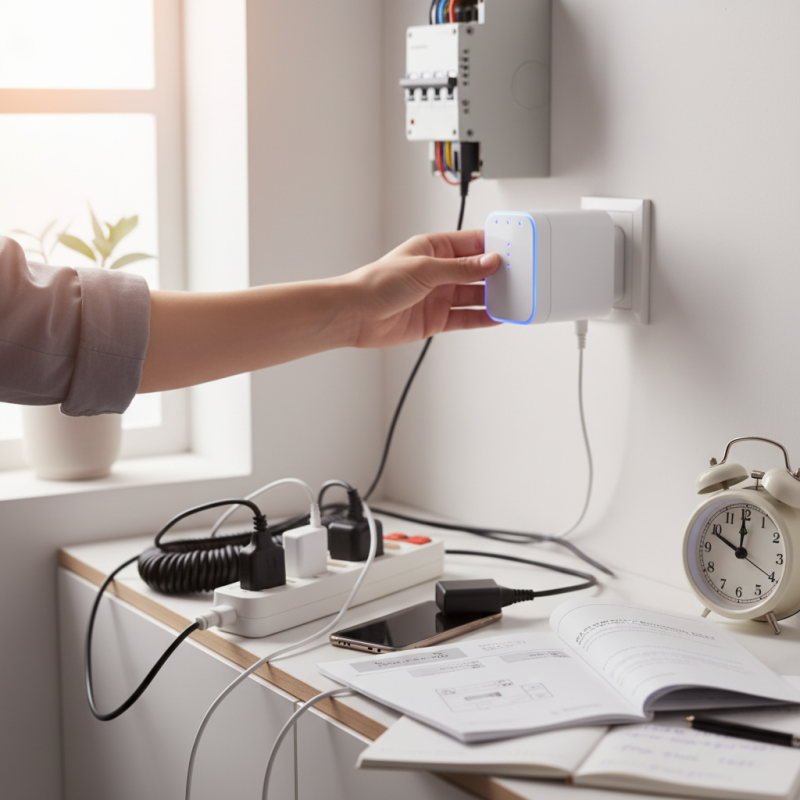
To install an electricity saving box effectively, start by determining the best location. Ideally, it should be near your main electrical panel. Clear the area of any obstructions. This ensures that the unit can access the electrical flow efficiently. Use a level to ensure proper alignment. A well-placed box enhances performance.

When connecting the saving box, ensure to follow the provided wiring instructions carefully. Each wire has a specific purpose. Mistakes here can lead to inefficiency or even damage. If you are unsure, consult an electrician. Remember, safety is key.

Tip: Regularly check the box after installation. Sometimes, the settings may need adjusting based on your electricity usage. Monitor how much you save each month. This data can help you identify patterns. Reflect on your habits. Are there ways to reduce energy consumption further?

Monitoring Energy Usage: Tools and Techniques to Measure Savings

Monitoring energy usage is crucial for maximizing savings. Various tools help track consumption and identify waste. Smart meters are popular options. They provide real-time data on energy usage. In fact, a study by the U.S. Department of Energy found that households with smart meters reduced energy consumption by up to 10%. Using these meters allows homeowners to adjust usage during peak hours, saving costs and reducing strain on the grid.

Apps that monitor electricity use also play a significant role. They break down energy consumption by appliance. This information helps users pinpoint areas where they can improve efficiency. According to a report by the American Council for an Energy-Efficient Economy, consumers can save about $150 annually by using these applications to better manage their energy habits. However, many users struggle to interpret the data. It’s not always clear which changes will lead to the most savings.

Reflecting on energy usage habits is vital. Some individuals believe their energy consumption is minimal. Yet, they may overlook appliance habits, such as leaving devices plugged in. These “phantom loads” can account for 10% of total energy use. Effective monitoring can highlight these hidden costs. It’s essential to regularly review energy reports and set achievable goals. Awareness is the first step towards effective energy management, often revealing surprising insights about consumption patterns.

Energy Savings from Electricity Saving Box Usage

Evaluating Long-Term Benefits: Cost Analysis and Energy Efficiency Studies

10 Essential Tips for Using an Electricity Saving Box Effectively?

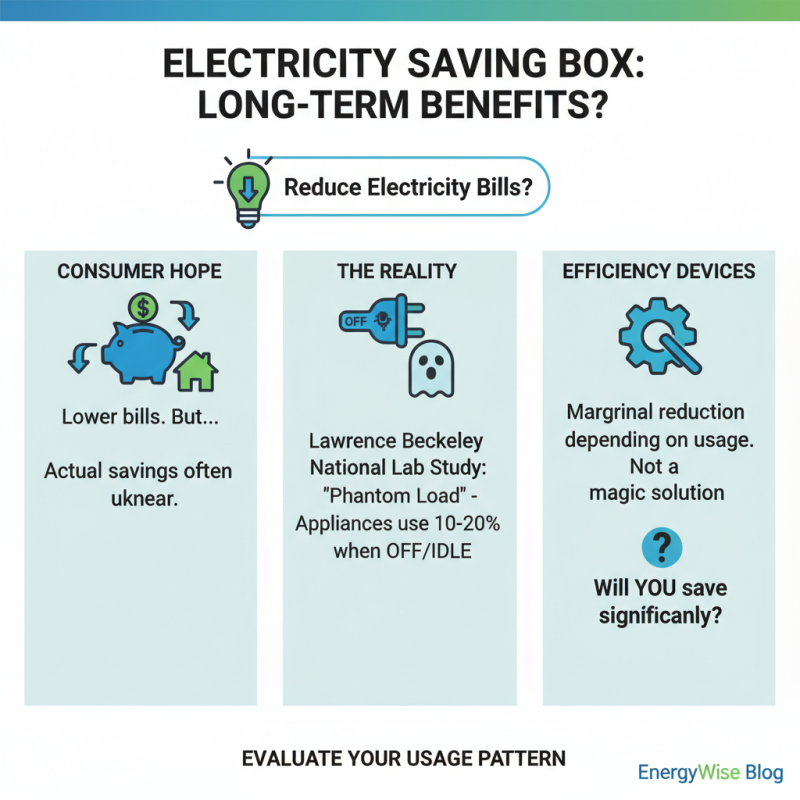
When considering an electricity saving box, long-term benefits must be evaluated. Many consumers hope to reduce their electricity bills, but the actual savings can be ambiguous. A study from the Lawrence Berkeley National Laboratory revealed that appliances consume 10% to 20% of energy even when not in use. This means efficiency devices may only marginally reduce power consumption, depending on usage patterns.

A cost analysis shows mixed results. Energy efficiency studies indicate that some users report a 15% increase in savings after using such devices over a year. However, not every household sees this improvement. A survey by the American Council for an Energy-Efficient Economy stated that up to 30% of consumers found no noticeable change in their energy costs. This suggests that while some may benefit, others might not experience significant advantages.

Reflecting on these findings raises questions. Are electricity saving boxes truly effective for every user? Or do they mainly serve as a placebo for energy anxiety? Despite the potential for saving energy, individual results can vary widely. Adopting energy-saving practices alongside these devices is crucial for maximizing any benefits.

Get in touch

Our mission is to develop cutting-edge clean energy technology and provide next-generation solar inverters.

Phone

(888) 598-9901

E-mail

nep-usa@site_ea168614-f5f4-4298-bd5b-880b4cf8d99d