- Spanish-Latin America
- Japanese-JP
- Chinese
- Europe
- Português-BR

Tech Support
(888) 598-9901
Hours: Mon-Fri 8AM-8PM EST
nep-usa@site_ea168614-f5f4-4298-bd5b-880b4cf8d99d
10 Selfie Mirror Buying Tips for Global Buyers
Buying a Selfie Mirror for international events is not simply a choice between screen sizes and decorative frames. Global buyers must examine performance, transport, software, support, and long-term reliability before placing an order. A mirror that looks impressive in a product photograph may feel unstable on a crowded venue floor. Small details matter, including wheel quality, cable protection, touchscreen brightness, camera positioning, and setup time.
Photo-booth technology specialist Sam Hysell says, “The best event experience is simple for guests and dependable for operators.” This principle deserves attention. A strong Selfie Mirror should guide guests quickly, capture sharp images under changing light, and offer sharing options that match the event’s needs. Buyers should also confirm warranty terms, replacement-part availability, data handling practices, and technical support across time zones. These checks can prevent expensive delays when equipment is held at customs or arrives with missing accessories.
Real testing matters.
Request demonstration videos, user manuals, and written specifications. Ask whether the mirror has been tested during weddings, trade shows, hotel events, and outdoor functions. Compare total ownership costs, not only the advertised purchase price. Shipping, taxes, software subscriptions, branding, maintenance, and staff training can change the final budget considerably. No guide can remove every uncertainty. Even experienced buyers sometimes overlook venue power limits or local network restrictions. That is why this article presents ten practical Selfie Mirror buying tips for global buyers, combining technical questions with hands-on observations. The goal is not to promote the most expensive model. It is to identify equipment that remains attractive, usable, and dependable after the first exciting event.
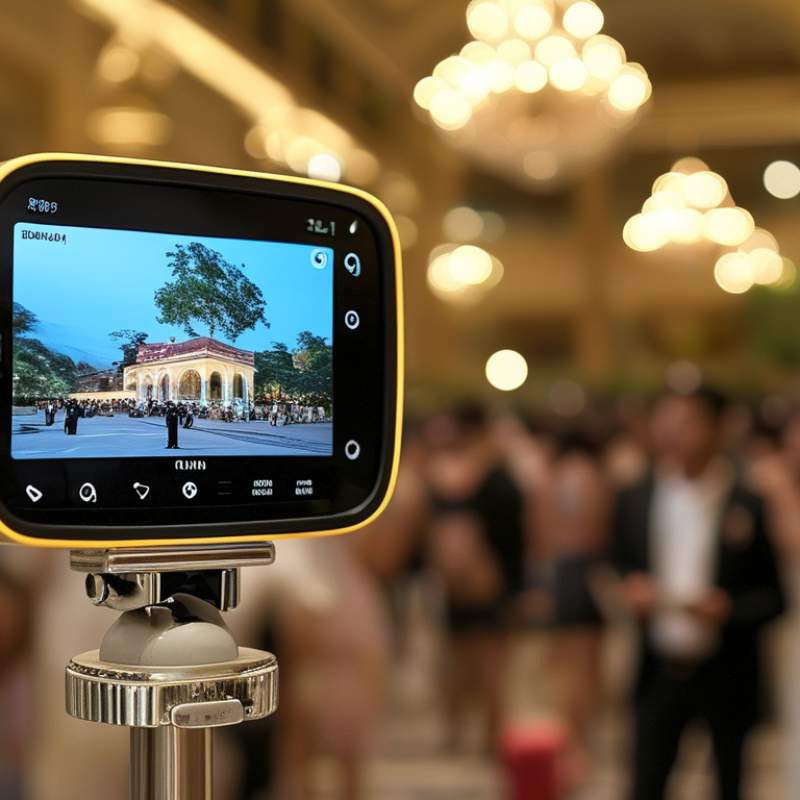
Define Event Needs: Venue Size, Guest Flow, and Session Time
Venue size should shape your selfie mirror choice, not just its appearance.
Measure the booth, queue area, power access, and photographer’s working space. A compact venue may need a slim mirror with a controlled footprint. Large halls can support a wider setup, props, and a visible sharing screen. Do not forget emergency exits and walking routes.
Guest flow matters more than expected.
The 2024 Freeman Trends Report found that 91% of people feel more connected through in-person events. That connection weakens when guests wait beside tables or block entrances. Create a clear entry point, photo zone, and exit path. For a 200-person reception, estimate peak arrivals rather than average attendance. A simple queue barrier can prevent confusion. I have seen attractive setups fail because guests approached from three directions.
Session time also affects equipment capacity.
If one interaction takes four minutes, a mirror can serve about 15 guests hourly under perfect conditions. Real events are rarely perfect. Guests retake photos, adjust poses, and ask for assistance. The UFI Global Exhibition Barometer consistently highlights uneven visitor traffic across event hours, so plan for surges. Test a five-minute session during setup. Then calculate capacity using your busiest 30-minute period, not the full event duration. A faster workflow may matter more than extra lighting.
Get in touch
Our mission is to develop cutting-edge clean energy technology and provide next-generation solar inverters.
Phone
(888) 598-9901
nep-usa@site_ea168614-f5f4-4298-bd5b-880b4cf8d99d
