- Spanish-Latin America
- Japanese-JP
- Chinese
- Europe
- Português-BR

Tech Support
(888) 598-9901
Hours: Mon-Fri 8AM-8PM EST
nep-usa@site_ea168614-f5f4-4298-bd5b-880b4cf8d99d
8 Tips for Choosing the Best M8 Fisheye Lens?
Choosing the right M8 Fisheye Lens requires more than checking its focal length. “M8” may describe an 8mm focal length, an M8 camera mount, or a product-specific label. Confirm the meaning before comparing specifications. A small naming error can produce an unusable lens.
The market also demands careful evaluation. CIPA’s 2024 Camera and Imaging Products Market Statistics show continued demand for interchangeable-lens cameras, despite strong smartphone competition. That trend makes optical performance and system compatibility increasingly important. IMATEST’s published lens-testing guidance emphasizes measurable factors such as sharpness, distortion, chromatic aberration, and shading. These factors matter when curved horizons, bright windows, or detailed architectural lines appear in one frame. Real-world testing still matters.
This guide presents eight practical tips for selecting the best M8 Fisheye Lens. It examines image circle coverage, sensor format, mounting accuracy, aperture, focus control, flare resistance, distortion behavior, and build quality. It also considers working distance and post-processing requirements. A lens that looks impressive on a specification sheet may perform poorly under hard sunlight. That happens.
Expect trade-offs. Wider coverage can increase edge stretching. A faster aperture may add weight and cost. Compact designs can sacrifice corner clarity. Before buying, compare independent test charts with sample images from your camera body. Check the corners at full resolution. Read the return policy, too. No single M8 Fisheye Lens suits every creator, camera system, or shooting environment.
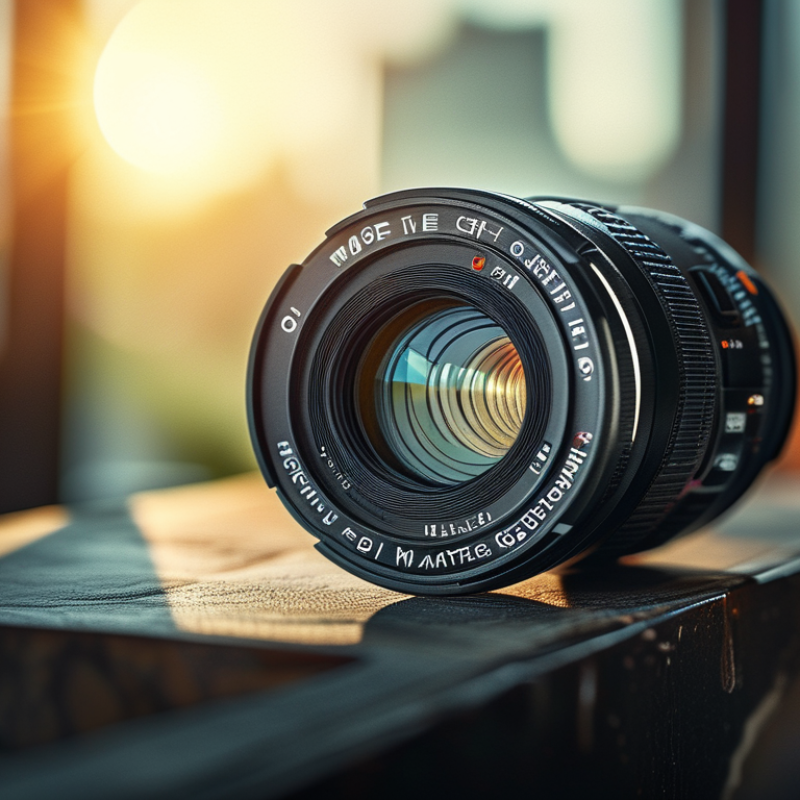
Define Your M8 Camera’s Fisheye Lens Requirements
Define Your M8 Camera’s Fisheye Lens Requirements
Before comparing lenses, define how your M8 camera will be used. Will it capture narrow interiors, action scenes, or full circular images? The 2024 CIPA camera shipment report recorded about 8.49 million digital cameras shipped worldwide. This growth reflects stronger demand for specialized imaging tools, but popularity does not replace careful testing.
Professional evaluation reports commonly use ISO 12233-style resolution targets to compare sharpness. Use that method, but do not trust charts alone. Real scenes reveal more.
Remember the practical compromise: the widest view is not always the most useful view. A slightly narrower lens may deliver cleaner corners, easier composition, and fewer corrections.
Get in touch
Our mission is to develop cutting-edge clean energy technology and provide next-generation solar inverters.
Phone
(888) 598-9901
nep-usa@site_ea168614-f5f4-4298-bd5b-880b4cf8d99d
