How to Choose the Right Transport Vehicles for Your Needs?
Choosing the right transport vehicles is crucial for businesses today. The global transport market is valued at over $5 trillion. This number underscores the importance of making informed decisions. Transport vehicles are not just tools; they serve specific requirements. They can affect costs, efficiency, and customer satisfaction.
Various reports indicate that the right vehicle can reduce fuel costs by up to 20%. Additionally, using the wrong transport vehicle can lead to increased maintenance expenses. Every vehicle type, from trucks to vans, has unique features. Understanding these nuances is key to optimizing logistics. However, businesses often overlook critical factors, such as load capacity and vehicle reliability.
Transport vehicles must align with operational goals. Yet, many companies struggle with this alignment. Some may prioritize short-term savings rather than long-term performance. This oversight could hinder growth. Taking the time to assess needs and alternatives is vital for success. Identifying the right transport vehicles can drive efficiency and profitability.
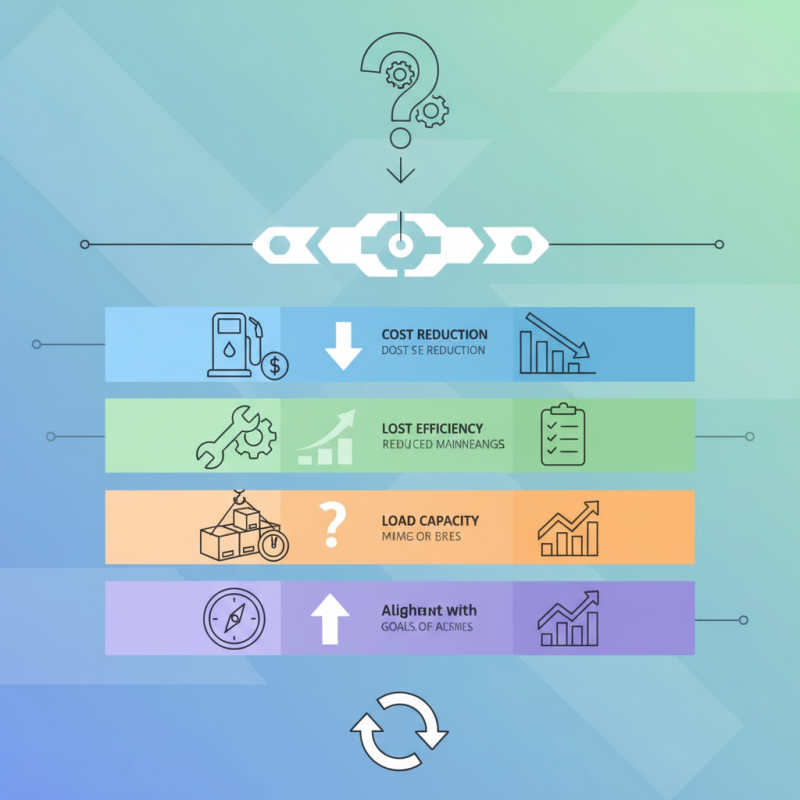
Factors to Consider When Selecting Transport Vehicles for Your Business
Choosing the right transport vehicles is crucial for your business. Different needs demand different solutions. Analyze your specific requirements. Consider factors such as load size, vehicle capacity, and distance. If your business involves delivering large items, a truck may be necessary. For smaller deliveries, a van could suffice.
Fuel efficiency is another key factor. Some vehicles consume more fuel than others. High operational costs can affect your profits. Think about maintenance as well. Regular service is essential to keep vehicles running smoothly. Neglecting this can lead to unexpected breakdowns.
Also, consider the terrain where the vehicles will operate. Urban areas might require smaller, more maneuverable vehicles. In contrast, rural regions might benefit from large trucks. The right choice can improve delivery times and enhance customer satisfaction. Reflect on past choices. Were they the best for your needs? Balancing all these factors can be challenging, but taking the time to analyze them is worth it.
Choosing the Right Transport Vehicles
Understanding Different Types of Transport Vehicles and Their Uses
Choosing the right transport vehicle requires understanding various types and their applications. Trucks, vans, and bicycles are among the most common options. According to industry data, trucks hold about 70% of the freight transport market in the U.S. They are ideal for bulk goods and long-distance travel. However, not all trucks are suited for urban environments. Smaller vans might be more efficient for city deliveries.
Different transport vehicles serve distinct purposes. For instance, refrigerated trucks are essential for perishable goods, while flatbed trucks are best for large machinery. Choosing the wrong type can lead to inefficiencies and increased costs. Data shows that using the right vehicle can cut fuel consumption by up to 15%.
Tips: Always assess the load size and urgency before deciding. Evaluate delivery locations and road conditions. Consider your vehicle’s capacity and fuel efficiency. Sometimes, less conventional options like cargo bicycles can be a sustainable choice for short distances in congested areas. Reflect on what aligns with your operational needs.
Evaluating Vehicle Capacity and Load Specifications for Optimal Efficiency
Choosing the right transport vehicles requires careful evaluation of vehicle capacity and load specifications. Start by assessing your specific needs. What type of goods will you be transporting? Heavy machinery requires a different vehicle than small parcels. Understanding the weight and volume of your loads helps narrow down your options.
Capacity is not just about numbers. Consider the dimensions of the items as well. A vehicle might have sufficient weight capacity but lack the space for oversized items. This can lead to inefficiencies and potential damage. Think about the routes you will use too. Larger vehicles may struggle with narrow roads or urban environments.
Reflecting on your choices is vital. Committing to a vehicle that doesn’t meet all your needs can be costly. Analyze previous transport experiences to identify gaps. Where did challenges arise? Make adjustments based on this feedback. Vehicles are an investment, and the right choice can enhance efficiency dramatically.
Cost Analysis: Comparing Purchase vs. Leasing of Transport Vehicles
When considering transport vehicles, the financial impact is crucial. A cost analysis of purchasing versus leasing can guide your decision. According to industry studies, purchasing a vehicle typically involves large upfront costs. On average, businesses spend around $30,000 to $50,000 per vehicle. This includes taxes, registration, and maintenance expenses. In contrast, leasing often requires little to no down payment. Monthly payments can be 20% to 30% lower compared to financing a purchase.
Leasing can provide flexibility, especially for businesses with fluctuating demands. Vehicles can be upgraded every few years without the worry of depreciation. However, be cautious. Over the lease term, fees can accumulate, which may reduce savings. For companies, a long-term lease might mean paying more overall compared to buying outright. It's essential to crunch the numbers based on your vehicle needs.
Tips: Assess how long you plan to use the vehicle. If it’s just a few years, leasing may make sense. Remember to factor in mileage limits and wear-and-tear fees. This can impact overall costs significantly.
Sustainability in Transport: Choosing Eco-Friendly Vehicle Options
In recent years, sustainability has become a major consideration in transport. Choosing eco-friendly vehicles can significantly reduce carbon emissions. According to a report by the International Energy Agency, transport accounts for about 24% of global CO2 emissions. This statistic emphasizes the urgent need for greener choices.
Electric vehicles (EVs) stand out as a promising option. They produce zero tailpipe emissions, reducing air pollution. However, the manufacturing process and battery disposal raise concerns. The lifecycle emissions of EVs still require attention, as they can be high if sourced from non-renewable energy. Additionally, infrastructure for charging stations is scarce in many areas.
Hybrid vehicles also offer a practical alternative. They combine traditional fuels with electric power, leading to lower overall emissions. Studies show that hybrids can reduce fuel consumption by up to 30%. Yet, they still rely on fossil fuels, which complicates the idea of sustainability. Vehicle selection should consider not just the initial impact but also long-term implications on the environment.
How to Choose the Right Transport Vehicles for Your Needs? - Sustainability in Transport: Choosing Eco-Friendly Vehicle Options
| Vehicle Type | Fuel Type | Average Mileage (MPGe) | Emission Level (g CO2/km) | Cost of Ownership |
| Electric Car | Electric | 121 | 0 | Moderate |
| Hybrid Car | Gasoline/Electric | 58 | 104 | Moderate |
| Bicycle | Human-Powered | N/A | 0 | Low |
| Plug-in Hybrid | Gasoline/Electric | 76 | 44 | Moderate |
| Diesel Truck | Diesel | 25 | 220 | High |

