How to Choose the Best Solar Storage Solution for Your Home?
Choosing the right Solar Storage solution for your home is essential in today’s energy landscape. According to Dr. Emily Carter, a renowned expert in solar energy systems, “The effectiveness of solar storage can transform your energy independence." The right choice can ensure reliable access to energy, especially during peak usage times.
Solar storage options vary significantly. Homeowners must consider capacity, efficiency, and cost among other factors. Battery technology has advanced rapidly, but not all solutions are created equal. Some systems have longer lifespans, while others may degrade faster than expected.
Many people overlook the importance of recycling old solar batteries. It’s a point that requires attention. Solar storage should not only serve immediate needs but also consider environmental impact. Selecting the best solar storage is a journey filled with variables and challenges. The right decision empowers households, leading to sustainable energy savings and convenience.
Understanding Solar Storage Solutions: Key Concepts and Benefits
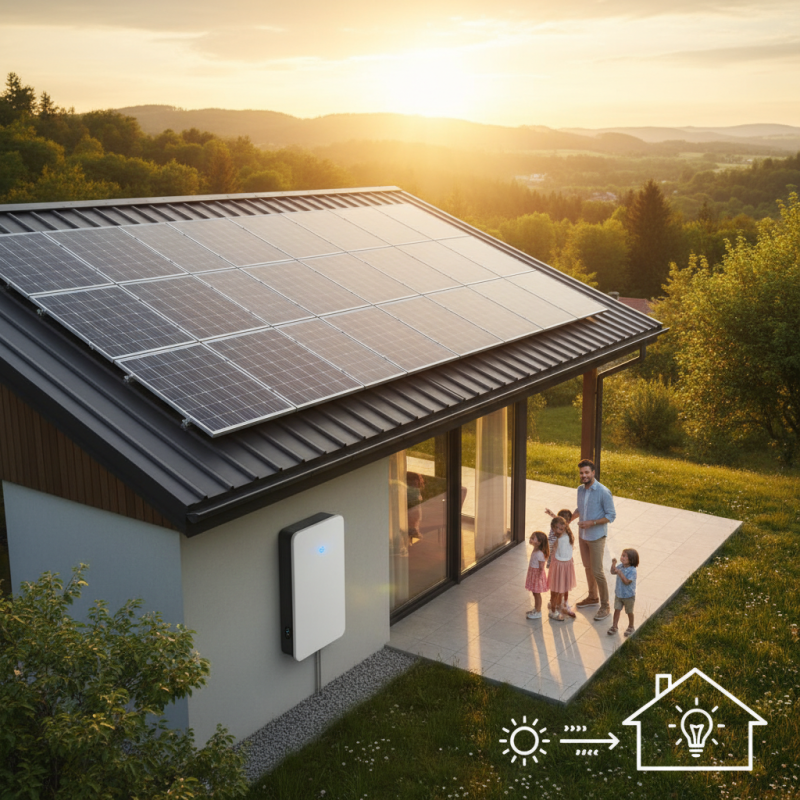
Solar storage solutions play a vital role in harnessing energy from your solar system. They store excess energy generated during the day for use at night or during cloudy days. By understanding these systems, homeowners can make informed decisions about their energy needs.
Different types of solar storage systems exist. Lithium-ion batteries are popular, known for their efficiency and capacity. Lead-acid batteries are another option but generally have a shorter lifespan. Each type has its pros and cons. It can be confusing. The installation costs and maintenance requirements vary greatly.
Consider your energy consumption patterns. If you use most energy during the day, a smaller battery may suffice. However, if you want backup during outages, invest in a larger capacity. Often, homeowners overlook the importance of battery management systems. These can enhance performance but aren't always included. Make sure to assess your long-term goals for energy use. It's essential to rethink your choices periodically as technology evolves.
Solar Storage Solutions Comparison
Assessing Your Home's Energy Needs for Effective Storage Selection
Assessing your home's energy needs is crucial in selecting the best solar storage solution. Start by evaluating your daily energy consumption. Look into your utility bills from the past year. Identify trends in usage. This data serves as a foundation for understanding your requirements.
Next, consider the appliances that consume the most energy. Refrigerators, air conditioners, and heating systems often top the list. Calculate their wattage and how often they run daily. This will help you estimate the total energy stored each day.
Think about seasonal variations too. In winter, your energy needs may differ from summer. This reflects changing daylight hours and weather conditions. Keep in mind that your energy demand may not always align with sunny days. Evaluate how much backup power you’ll need during cloudy spells. Be prepared for surprises in energy usage. An unexpected appliance upgrade could alter your calculations. Regularly revisiting your energy needs ensures your storage solution remains efficient.
Types of Solar Storage Solutions: Comparing Batteries and Systems
When considering solar storage solutions, it's essential to understand the different types available. The most common options are lithium-ion batteries and lead-acid batteries. Lithium-ion batteries are popular due to their efficiency and long lifespan. They can store more energy in a smaller space. Reports suggest that these batteries have an average lifespan of 10 to 15 years. In contrast, lead-acid batteries, while more affordable, have a shorter lifespan of around 3 to 5 years.
Beyond batteries, solar storage systems can be categorized into integrated systems and modular systems. Integrated systems combine solar panels, inverters, and battery storage into one unit. They are often easier to install and maintain. Modular systems allow for more scalability. You can add more batteries as needed. However, such flexibility might lead to increased complexity in installation.
While lithium-ion batteries excel in energy density, their initial cost can be a concern. Customers may hesitate due to high upfront investments. Lead-acid batteries offer a budget-friendly option but require more frequent replacements. Understanding these trade-offs is crucial. It helps homeowners make informed choices about their solar energy needs. Balancing affordability, efficiency, and longevity is vital in the decision-making process.
Factors to Consider: Capacity, Efficiency, and Lifespan of Storage Options
When choosing a solar storage solution, capacity is crucial. This refers to how much energy your system can store. If your home uses a lot of energy, you'll need ample capacity for nighttime or cloudy days. Consider how many devices you run daily. A larger capacity offers more flexibility but may take up more space.
Efficiency is another significant factor. This tells you how much energy stored can be used effectively. Higher efficiency means less wasted energy. Check the round-trip efficiency of your storage option. Sometimes, high-efficiency systems come with a higher price tag. Weigh your options and potential savings carefully.
Lifespan also matters. Most solar storage systems have a defined lifespan. It can range from 5 to 15 years or more. Think about the warranty offered. A longer warranty might indicate more confidence in the product's reliability. However, these details can be overlooked. Be cautious and do thorough research before deciding. Keep in mind that technology is evolving quickly. A system that seems perfect today may not be ideal in a few years.
How to Choose the Best Solar Storage Solution for Your Home? - Factors to Consider: Capacity, Efficiency, and Lifespan of Storage Options
Storage Option
Capacity (kWh)
Efficiency (%)
Lifespan (Years)
Lithium-ion Battery
10
90
10
Lead Acid Battery
8
80
5
Saltwater Battery
9
85
15
Flow Battery
15
75
20
Nickel-based Battery
11
87
12
Cost Analysis: Budgeting for Your Solar Storage Investment
When budgeting for solar storage solutions, understanding costs is essential. Initial expenses can vary widely. Factors include battery type, capacity, and installation. On average, homeowners should expect to invest significantly. Battery systems can range from a few thousand to over ten thousand dollars.
Maintenance costs also add up. Some systems require periodic checks, which can be costly. Yet, neglecting maintenance could lead to higher repair bills later. It’s a tricky balance between upfront costs and long-term savings. Homeowners often overlook hidden fees. Setup permits and utility fees can inflate the final price.
Consider your energy needs realistically. A larger battery might seem appealing but may not be necessary. Assessing usage patterns helps in making informed decisions. Be mindful of financing options. Low-interest loans can ease the burden but may extend repayment periods. Evaluate all these factors carefully. Adjustments in budget can lead to better outcomes. Understanding these elements creates a clearer picture of your investment.