As homeowners seek sustainable solutions, solar electric energy stands out. According to a recent report by the Solar Energy Industries Association (SEIA), the U.S. solar market grew by 43% in 2020, a trend that continues to rise. The shift toward solar electric systems not only reduces energy costs but also decreases dependence on fossil fuels.
Experts like Dr. Emily Carter, a leading authority in solar technology, emphasize the importance of this transformation: “Investing in solar electric systems is more than just saving money; it’s about creating a sustainable future.” With rising electricity prices and climate concerns, homeowners are increasingly turning to solar electric solutions.
However, challenges remain. The initial investment can be daunting, and the installation process may disrupt daily life. Some homeowners are also unsure about the technology's reliability. Yet, the long-term benefits often outweigh these early hurdles. Embracing solar electric energy can lead to significant savings and contribute to a greener planet.
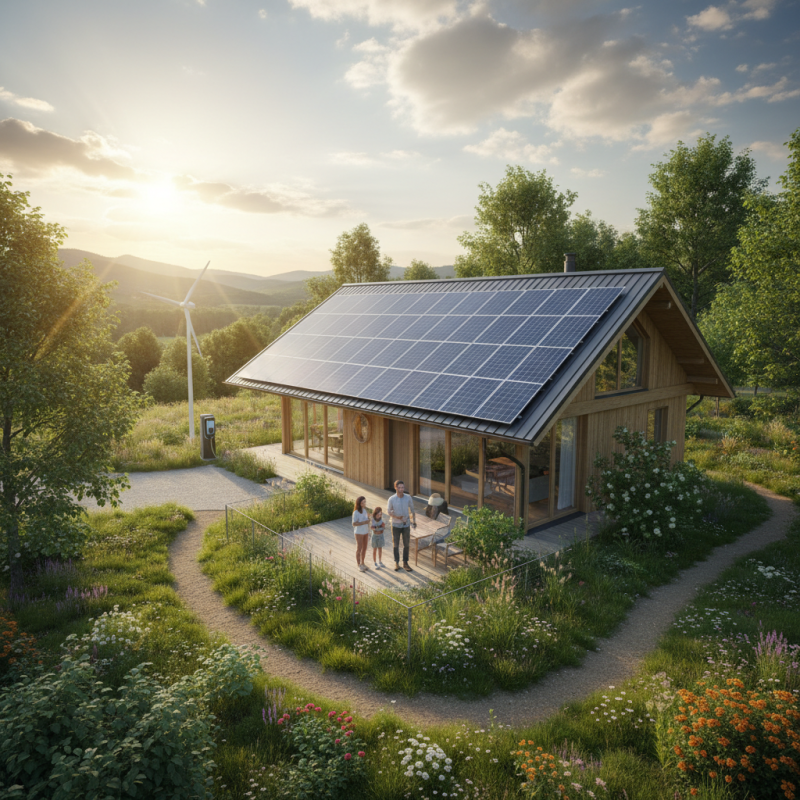
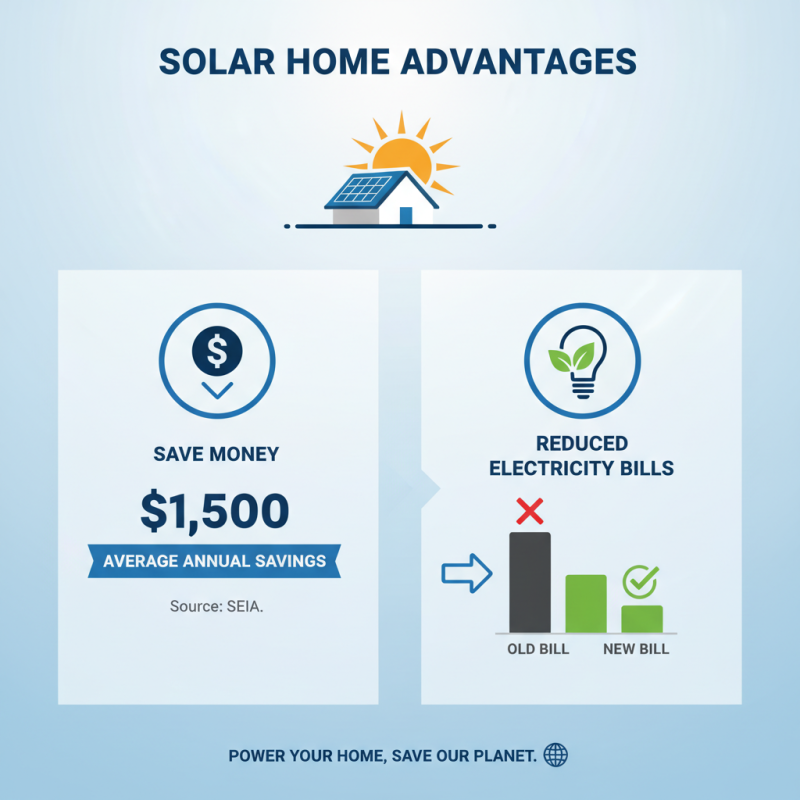
Solar electric energy offers numerous advantages for homeowners today. It significantly reduces electricity bills. According to the Solar Energy Industries Association, homes with solar panels save an average of $1,500 annually. This financial relief can be a game-changer for many families.
Furthermore, solar energy boosts property values. A study from the National Renewable Energy Laboratory shows homes with solar installations sell for about 4% more. This increase can be substantial in today's competitive real estate market.
However, some homeowners worry about installation costs and maintenance. While prices have decreased, the initial outlay can still be daunting. Additionally, not every home is suitable for solar panels due to location or roof conditions. These factors require careful consideration before investing in solar technology. Thinking critically about these aspects is crucial for making informed decisions.
Cost Savings and Financial Incentives of Solar Power
Choosing solar electric energy for your home can lead to significant cost savings. Initial expenses may seem high, but various financial incentives can alleviate that burden. Many homeowners qualify for tax credits, which reduce your overall tax liability. You might receive rebates from your local utility company. These incentives can sometimes cover up to 50% of your installation costs.
Monthly energy bills can be drastically lowered with solar power. When sunlight hits your solar panels, they generate electricity. This lowers your reliance on the grid. As a result, many households see their bills cut in half or more. However, some may not consider the long-term commitment involved. Maintenance and potential repairs can add unexpected costs. It’s wise to thoroughly research and assess your energy needs before making a switch.
Additionally, solar panels can increase the value of your home. Prospective buyers often view solar energy as a selling point. Despite these advantages, the decision can be daunting. Homeowners need to ensure the system fits their lifestyle and financial goals. The value of financial incentives deserves careful evaluation.
Why Choose Solar Electric Energy for Your Home? - Cost Savings and Financial Incentives of Solar Power
Incentive Type
Details
Estimated Savings
Duration
Federal Tax Credit
With the federal solar tax credit, you can deduct a percentage of your solar system installation costs from your federal taxes.
Up to 26%
Until 2023, phased out thereafter
State Rebates
Various states offer rebates for solar energy installations, varying by location and equipment.
$500 - $2,500
Varies by state
Renewable Energy Credits (RECs)
By generating solar energy, homeowners can earn RECs, which can be sold on the open market.
$15 - $50 per REC
Ongoing while generating power
Net Metering
Allows homeowners to receive credit for excess energy their solar system generates.
Up to 100% of utility bill savings
Varies by utility
Local Incentives
Many local governments offer their own incentives, such as additional tax credits or grants.
Varies significantly
Varies by location
Environmental Impact of Switching to Solar Energy
Switching to solar energy can significantly reduce environmental impact. Solar power harnesses energy from the sun, which is an abundant resource. Unlike fossil fuels, it does not produce harmful emissions. This means cleaner air and reduced greenhouse gases. Solar panels can lower dependency on nonrenewable resources. Once properly installed, they require minimal maintenance.
However, there are challenges. The production of solar panels involves some environmental costs. Mining rare minerals can disrupt ecosystems. There’s also the issue of waste. Old panels need to be disposed of carefully. Investing in solar energy should consider these factors. Community education on responsible practices is vital.
The benefits of solar energy often outweigh these drawbacks. Homeowners can play a role in combating climate change. With improved technology, solar installations are becoming more efficient. They also provide energy security at a local level. Making a switch to solar requires thoughtful consideration, but the positive impacts are undeniable.
Types of Solar Electric Systems for Residential Use
When considering solar electric systems for homes, there are two main types: grid-tied and off-grid systems. A recent report indicates that about 70% of residential solar installations are grid-tied. These systems rely on the local electricity grid and allow homeowners to draw power when solar production is low. This connection offers stability and ease of use. For instance, during cloudy days, your home still draws electricity without interruptions.
Off-grid systems, while less common, are vital for areas without access to the grid. They require battery storage, which adds complexity and cost. According to industry experts, battery costs can account for 30-50% of the total system cost. Homeowners often struggle with this investment but benefit from energy independence and resilience against grid failures. Making this choice requires deep consideration of energy needs and available sunlight.
Both systems present challenges. Grid-tied systems cause reliance on the utility, which may change regulations or prices unexpectedly. Off-grid systems require careful planning to meet energy demands, often leading to oversizing or undersizing. Homeowners must be prepared for maintenance and potential upgrades as energy needs evolve over time.
Installation and Maintenance Considerations for Solar Panels
When considering solar panel installation, many factors come into play. The orientation and tilt of your roof can significantly impact energy production. South-facing roofs tend to receive optimal sunlight. Shading from trees or nearby buildings can reduce efficiency. It's essential to assess your property before installation.
Maintenance is another critical aspect. Solar panels require minimal upkeep, but regular cleaning is vital. Dust, debris, and bird droppings can accumulate and hinder performance. Occasionally, inspect for wear and tear, especially after severe weather. While it's a low-maintenance investment, neglect can lead to less energy generation.
Investments in solar energy pay off in the long run, but they need careful planning. Understand your local regulations and incentives. Some homeowners struggle with installation logistics. Engaging with professionals can alleviate concerns, but ensure that you choose wisely. Each step has its nuances, highlighting the need for thorough evaluation.
Solar Energy Benefits vs. Traditional Energy Sources