We use our own and third-party cookies to improve our services. If you continue browsing, we will consider that you accept this use. Read More

OK

English-US
  • Spanish-Latin America
  • Japanese-JP
  • Chinese
  • Europe
  • Português-BR

Tech Support

(888) 598-9901
Hours: Mon-Fri 8AM-8PM EST

E-mail

nep-usa@site_ea168614-f5f4-4298-bd5b-880b4cf8d99d

Why Choose an EV Charger Wall Plug for Your Electric Vehicle?

Electric vehicles (EVs) are becoming more popular. As a result, choosing the right charging method is crucial. One of the best options is the Ev Charger Wall Plug. It offers many benefits for EV owners.

An EV Charger Wall Plug ensures convenience and speed. Charging at home can save time and reduce trips to public stations. Instead of waiting, you can charge overnight and start each day with a full battery. This daily routine can fit seamlessly into modern life.

However, there are considerations to keep in mind. Not all installations are straightforward. Some homes may require electrical upgrades. Also, different plugs may offer varying compatibility with EVs. This can lead to frustration. It's essential to reflect on your particular needs and preferences when selecting your EV Charger Wall Plug.
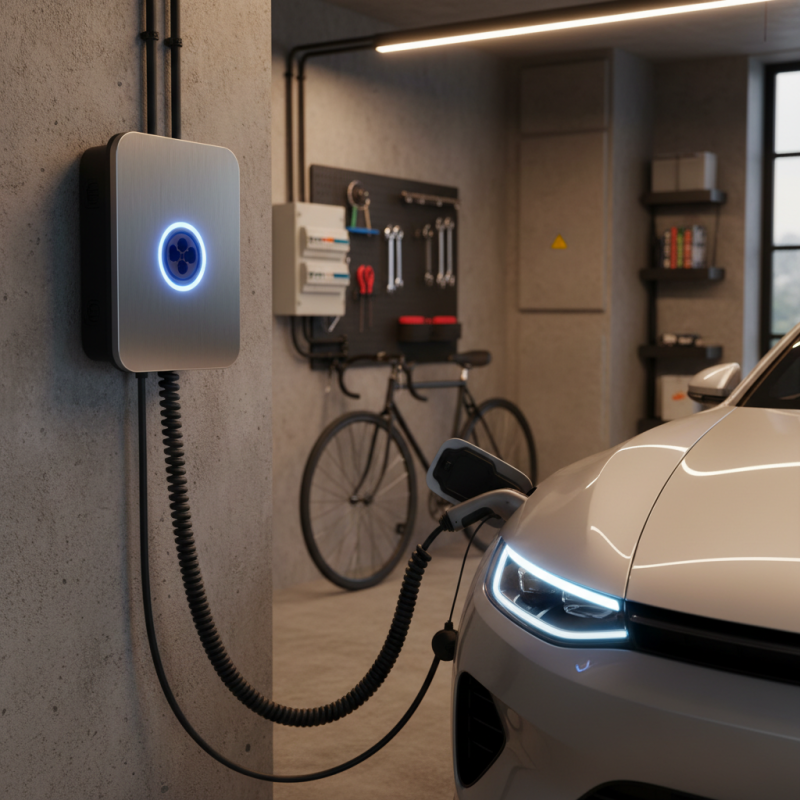
Why Choose an EV Charger Wall Plug for Your Electric Vehicle?

Benefits of Using an EV Charger Wall Plug for Electric Vehicles

Electric vehicles (EVs) are gaining popularity, and having a reliable charging solution is essential. An EV charger wall plug offers numerous benefits that make life easier for EV owners. It allows for convenient charging at home. You can plug in your vehicle overnight and wake up to a fully charged battery. This eliminates the worry of finding a charging station during the day.

Charging speed is another perk. A wall plug often provides a faster charge than standard outlets. This means you can get back on the road more quickly. Imagine cutting down waiting time significantly. However, not everyone may have the best installation experience. Some installations can be complicated or costly, which requires careful planning.

Safety is also a vital consideration. A dedicated wall plug is designed to handle your vehicle’s specific charging needs. This can prevent potential issues caused by using a regular outlet. However, if installation isn’t done properly, risks may arise. Regular maintenance checks are important to ensure everything operates smoothly. Having a wall plug can enhance your EV experience, but it’s crucial to reflect on installation and safety practices.

Types of EV Charger Wall Plugs Available on the Market

Electric vehicles (EVs) are gaining popularity. As more drivers switch to EVs, selecting the right charger is crucial. Various types of EV charger wall plugs are available, each serving different needs.

Level 1 chargers are the simplest. They use a standard 120-volt outlet. These chargers are ideal for overnight home charging, but they are slow. Level 2 chargers operate at 240 volts. They charge the vehicle much faster and are often installed in homes or public places. According to a recent industry report, more than 70% of EV owners prefer Level 2 chargers for their efficiency.

DC fast chargers are another option. They provide rapid charging capabilities, making them perfect for busy travelers. However, these chargers are more expensive and mainly found in commercial settings. It's crucial to consider local power infrastructure before installation.

Tip: Assess your driving habits before choosing a charger. If you drive long distances frequently, a Level 2 or DC fast charger may be necessary.

Remember, the longer charging times of Level 1 can lead to frustration. Think about how often you can charge your EV at home. This decision greatly impacts your EV experience. Evaluate all options carefully and choose what suits your lifestyle best.

Types of EV Charger Wall Plugs Available on the Market

Type of Charger Charging Speed Power Rating (kW) Installation Type Cost (USD)
Level 1 Charger Slow 1.4kW Home/Standard Outlet 300 - 500
Level 2 Charger Moderate 3.3 - 22kW Home/Commercial 500 - 1,500
DC Fast Charger Fast 50 - 350kW Commercial/Public 10,000 - 50,000
Portable Charger Variable 1.4 - 3.7kW Portable 200 - 700

Installation Considerations for EV Charger Wall Plugs

When selecting an EV charger wall plug, installation considerations play a vital role. The location of the charger is essential. Mount it in a spot that is conveniently accessible. Consider parking arrangements to avoid unnecessary strain. Choosing the right power rating is crucial. It should match your vehicle’s specifications. Not all chargers are created equal.

Wiring is another important factor. You may need an electrician to assess your home’s electrical system. Sometimes, existing wiring isn’t adequate for higher power chargers. Think about the cable length as well. Shorter cables can reduce clutter but limit positioning options. Ensure proper ventilation in the installation area; it’s often overlooked.

Lastly, you’ll need permits for installation in some regions. Don't skip this step, as ignoring regulations can lead to fines. Reflect on how your installation fits into your long-term EV strategy. Is it future-proof? Will it meet needs as technology evolves? Work with professionals to avoid common pitfalls.

EV Charger Wall Plug Installation Considerations

This bar chart illustrates the key factors to consider when installing an EV charger wall plug, including installation speed, cost efficiency, space requirements, compatibility, and user-friendly design. Each factor is rated on a scale from 0 to 100, reflecting its importance in the installation process.

Cost-Effectiveness of Home EV Charger Wall Plugs

Choosing a home EV charger wall plug can significantly impact your financial landscape. Industry reports indicate that homeowners can save an average of $500 annually compared to public charging stations. In fact, public charging can cost two to three times more per kilowatt-hour. This presents a compelling case for investing in a wall plug for your electric vehicle.

Moreover, the initial cost may seem steep, but consider the long-term savings. A typical home charger costs around $500 to $700. Depending on your electricity rates, you might recover this cost in as little as one year. Many users find that charging at home allows them to take advantage of off-peak pricing, further enhancing savings. Over five years, these figures suggest total savings of up to $2,500.

But not everything is perfect. Installation costs can vary widely, with some homeowners facing fees of $1,000 or more. It's essential to factor in your existing electrical system and any upgrades that may be needed. Some might face challenges in securing permits, prolonging the setup process. Balancing these variables can feel overwhelming, but the potential cost-effectiveness of a home charger doubles the stakes.

Impact of EV Charger Wall Plugs on Charging Efficiency and Speed

When considering an EV charger wall plug, efficiency and speed are paramount. A quality wall plug drastically improves the charging time for your electric vehicle. Home chargers often deliver faster charging than standard outlets. This conversion directly affects how quickly you can get back on the road.

Charging efficiency plays a crucial role as well. A well-designed wall plug minimizes energy loss during charging. This means your vehicle receives more usable power. In contrast, lower-quality plugs can lead to longer charging times and wasted energy. Optimal performance is essential, particularly for those who rely on their cars daily.

However, not all wall plugs deliver the same performance. Some chargers may not be compatible with your vehicle, leading to frustration. Users often overlook installation requirements, which can affect overall efficiency. Evaluating these factors is vital to maximize the potential of an EV charger wall plug.

Get in touch

Our mission is to develop cutting-edge clean energy technology and provide next-generation solar inverters.

Phone

(888) 598-9901

E-mail

nep-usa@site_ea168614-f5f4-4298-bd5b-880b4cf8d99d