How to Choose the Best Waterproof Micro Switch for Your Project?
Choosing the right Waterproof Micro Switch is crucial for various projects. These switches are essential in environments exposed to moisture or dust. A waterproof micro switch can protect your device from potential damage.
When selecting a waterproof Micro Switch, consider the environment it will operate in. Factors include temperature, humidity, and potential exposure to liquids. For example, a marine application demands a higher level of waterproofing than a simple indoor device.
Look for specifications that match the requirements of your project. Examine factors like actuating force and electrical ratings. It’s easy to overlook these details, but doing so can lead to failures. Keep in mind that not all waterproof micro switches are created equal. Some might not perform as expected under pressure. Taking the time to evaluate options can save significant headaches later on.
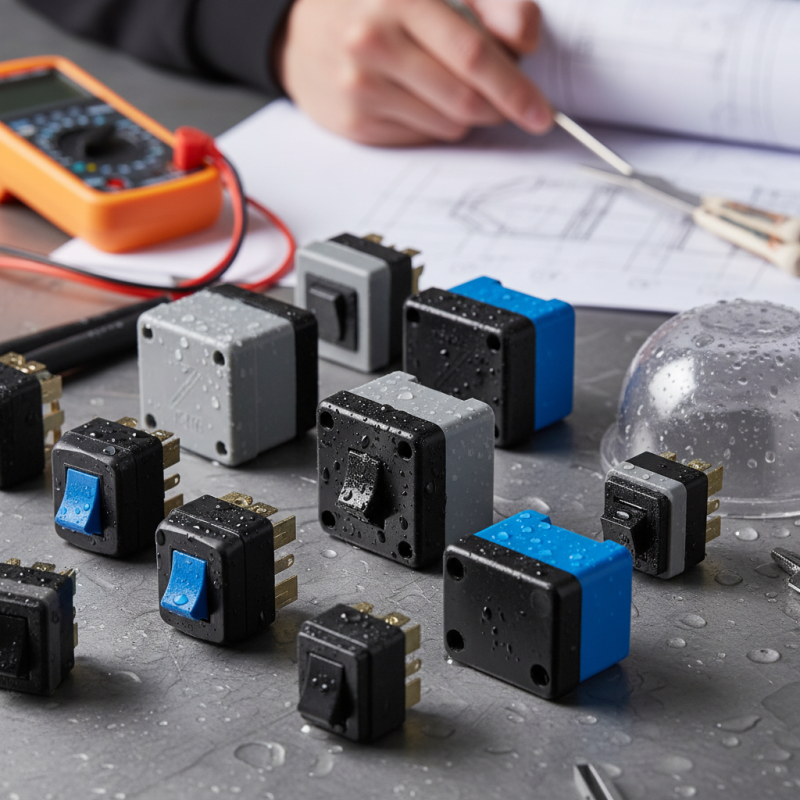
What Are Waterproof Micro Switches and Their Applications?
Waterproof micro switches are essential in many applications. They protect electronic components from moisture and dirt. Commonly used in industrial equipment, automotive systems, and consumer electronics, these switches offer reliability and durability. A report by MarketsandMarkets indicates that the global micro switch market is projected to grow at a CAGR of 5.4%. This growth highlights the increasing demand for waterproof solutions.
In terms of specifications, waterproof micro switches typically adhere to IP67 or IP68 ratings. This means they can withstand immersion in water beyond a specific depth and duration. Applications often include outdoor lighting controls and automotive safety systems. Water exposure can compromise standard switches, causing system failures. Thus, investing in quality ensures longevity.
**Tip:** Consider the environment. Assess exposure to moisture and contaminants. This will guide the selection of switch ratings.
**Tip:** Pay attention to operating temperature ranges. Extreme temperatures can affect performance. It’s crucial to choose switches suited for your project needs.
Remember, not every waterproof switch is built alike. Testing is vital. Conducting field tests can reveal unexpected failures. Thus, ensure you choose the right type for your specific application to avoid costly mistakes.
Key Specifications to Consider When Selecting a Waterproof Micro Switch
When selecting a waterproof micro switch, several key specifications should be taken into account. The first is the switch's IP rating, which signifies its level of protection against water and dust ingress. A higher IP rating indicates better resilience against harsh conditions. Consider the environment where the switch will be used. Wet and humid locations will demand a switch with a higher rating.
Next, examine the operating temperature range. This aspect can greatly influence the switch's performance. If the switch will be exposed to extreme heat or cold, ensure it can handle those conditions. Additionally, look at the switching current and voltage ratings. This will determine whether the micro switch is suitable for your project’s electrical requirements.
Another important detail is the actuator type. Different actuators, like levers or buttons, offer unique advantages. The ease of operation might differ across various types, so testing them is crucial. Sometimes, the perfect switch might not look ideal initially. Reflect on your project needs. A less expensive option could fit perfectly while a costly alternative may not. Factors like these can change your approach to selecting the right waterproof micro switch.
Understanding IP Ratings: What They Mean for Waterproofing Standards
When selecting a waterproof micro switch, understanding IP ratings is crucial. IP stands for Ingress Protection. The first digit indicates solid particle protection. The second digit shows water resistance levels. This helps you determine how well the switch can withstand environmental conditions.
For instance, an IP67 rating means total dust protection and immersion in water up to 1 meter for 30 minutes. However, don’t just look for the highest rating. Consider your project's specific needs. Some applications might not require a high level of water resistance, making a lower-rated switch sufficient.
Always examine the environment where the switch will be used. High humidity can be an issue, even if water isn’t present. Conduct thorough tests during your project development. Sometimes, a decision made with confidence can lead to unexpected failures. Rethink your choices based on feedback and results from initial tests. Every detail matters in ensuring the success of your project.
Comparing Actuation Types and Their Impact on Functionality
When selecting a waterproof micro switch, actuation type plays a critical role in determining functionality. There are three common actuation types: momentary, maintained, and tactile. Each type offers unique benefits that cater to different applications. For instance, momentary switches require pressure to activate, which can be ideal for applications where an on/off action is necessary. In contrast, maintained switches stay on once actuated, making them suitable for devices that demand continuous operation.
A recent industry report revealed that nearly 60% of engineers prioritize actuation type when choosing micro switches. This statistic highlights the importance of understanding how each type performs under specific conditions. Tactile switches provide feedback to users, enhancing user interaction. However, they may not always be waterproof. Users must scrutinize the switch’s rating to avoid potential failures in harsh environments.
Functionality may also change based on external factors. High humidity levels can affect the performance of micro switches, regardless of their waterproof rating. It's crucial to conduct thorough testing in real-world conditions. In this regard, the right choice may not always be the most obvious one. Actuation types have a lasting impact, and engineers must weigh their options carefully to ensure reliability and performance in tough conditions.
Cost vs. Performance: Evaluating Options in the Market for Waterproof Switches
When selecting a waterproof micro switch, the balance between cost and performance is crucial. Many options flood the market, varying significantly in price. It's tempting to go for the cheapest option. However, you might compromise on reliability and durability. A well-made switch can withstand harsh conditions, preventing potential failures in your project.
Consider the materials used in the switch. Look for ones designed to resist corrosion and moisture. A higher price often indicates better construction, with seals and protective coatings that enhance longevity. Yet, some high-priced switches might not justify their cost if they do not fit your specific needs. Evaluate the specifications carefully.
If you have a limited budget, you might find some decent mid-range options. They can offer a good balance of quality and affordability. However, always be cautious. Some switches might fail under extreme conditions, despite a reasonable cost. Check user reviews and ratings for real-life experiences. This way, you can make a more informed decision based on performance and reliability.