Best Recessed Light Options for Global Buyers in 2026?
In the evolving landscape of interior design, "Recessed Light" fixtures are gaining significant attention. As homeowners and designers prioritize aesthetics and functionality, recessed lighting options are becoming essential. According to a recent report by the Global Lighting Association, the demand for recessed lighting is projected to grow by 15% annually through 2026. This trend indicates a shift towards modern, energy-efficient lighting solutions that enhance living spaces.
Lighting expert Dr. Emily Chen states, “Recessed lights offer versatility and can dramatically transform a room’s ambiance.” Her insights reflect the growing preference among global buyers for innovative designs that meet practical needs without compromising style. However, while recessed lights provide numerous benefits, they also pose challenges, such as installation complexity and potential misalignment.
As we look forward to 2026, it is crucial to explore the best recessed light options available. Buyers must consider energy efficiency, ease of installation, and aesthetic appeal to make informed decisions. The market offers various choices, but the right selection often requires careful evaluation of personal and environmental needs. The future of recessed lighting promises exciting advancements, but buyers should remain vigilant and informed.
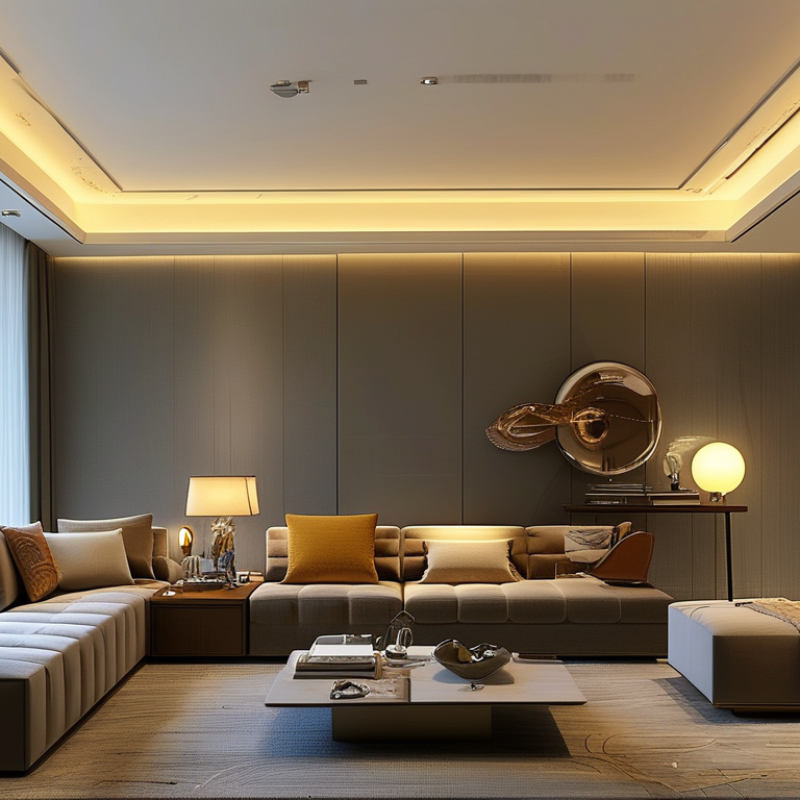
Best Recessed Light Options: A Comprehensive Overview for 2026 Global Buyers
When seeking the best recessed light options for 2026, it's vital to consider energy efficiency and versatility. A recent industry report noted that LED recessed lighting accounts for over 60% of the market share. This shift highlights a growing preference for sustainable solutions. Buyers are increasingly looking for products that balance performance with environmental responsibility.
Installation flexibility remains a significant factor. Many homeowners desire lights that cater to various ceiling structures and design preferences. It's common for 15%-20% of installations to face challenges due to unsuitable fixtures. Careful planning and measurement can mitigate these issues. Buyers should also remember that tech integration is crucial. Lights that seamlessly work with smart home systems are expected to dominate the market.
Maintaining proper illumination is essential for any space. The recommended lumens per square foot for residential areas typically range from 100 to 300. Ensure that recessed lights match your room's purpose. If the choices feel overwhelming, consider consulting a professional. They can provide tailored advice based on your specific needs. Innovation is key, but personal comfort remains paramount in lighting selection.
Market Trends Driving Recessed Lighting Choices for International Consumers
Recessed lighting continues to evolve, driven by significant market trends. A report by Global Market Insights indicates that the industry is expected to reach a valuation of over $14 billion by 2026. This growth is largely attributed to an increasing demand for energy-efficient lighting solutions. Consumers are prioritizing sustainability, impacting their buying choices.
International buyers favor LED recessed lights due to their longevity and efficiency. According to a study from the U.S. Department of Energy, LEDs use at least 75% less energy than traditional incandescent bulbs. This is a crucial consideration for consumers focused on lowering energy bills and reducing environmental footprints. However, the initial costs of LED installations can be higher, which may deter some potential buyers.
There’s also a growing trend toward smart lighting systems. Many consumers seek products that can integrate with home automation. A survey by Statista reveals that 38% of consumers are interested in smart lighting. This interest reflects a desire for personalization and convenience, but it also raises questions about user-friendliness and technological compatibility. Balancing advanced features with accessibility remains a challenge for manufacturers and consumers alike.
Best Recessed Light Options for Global Buyers in 2026
Feature
Value
Average Price (USD)
$25 - $100
Common Wattage
6W - 15W
Lifespan (Hours)
25,000 - 50,000
Dimming Capability
Yes/No
Material Options
Aluminum, Plastic, Steel
Recommended Mounting Depth
5 to 8 inches
Energy Efficiency Rating
A++ to C
Color Temperature (Kelvin)
2700K to 5000K
Popular Applications
Residential, Commercial, Hospitality
Installation Type
New Construction, Remodel
Key Features to Consider When Selecting Recessed Lights in 2026
When selecting recessed lights in 2026, various key features can significantly impact your decision. One crucial factor is the energy efficiency of the lighting. According to the International Energy Agency, LED lights are projected to account for approximately 75% of all lighting sales by 2026. Their long lifespan and low energy consumption make them a reliable choice for consumers.
Another aspect to consider is the color temperature of the lights. The market trend suggests that warmer color temperatures (2700K to 3000K) are favored in residential spaces. Cooler temperatures, around 4000K, are increasingly popular in commercial settings. Understanding the desired ambiance and purpose of the space will help buyers choose the right temperature, enhancing the overall aesthetic.
Additionally, the dimmability of recessed lights is an essential feature. A survey conducted by the Lighting Research Center revealed that around 60% of consumers prefer fixtures with dimming capabilities. This flexibility allows users to create different atmospheres, but it also requires careful attention to compatibility with other home systems. Balancing these factors is vital, as it can affect both functionality and user satisfaction.
Energy Efficiency Standards Impacting Recessed Lighting Products in 2026
As energy efficiency becomes paramount, the standards shaping recessed lighting are evolving rapidly. In 2026, the International Energy Agency projects that more than 80% of new recessed lights will comply with stringent efficiency metrics. These standards are designed to minimize energy consumption while maximizing illumination. LEDs, known for their lower wattage and longer lifespan, continue to gain traction, making them a preferred choice among innovative lighting solutions.
However, the transition to energy-efficient recessed lighting is not without its challenges. Many consumers remain unclear about the long-term benefits versus upfront costs. A recent report from the U.S. Department of Energy indicates that while initial investments can be higher, the savings on energy bills and maintenance can justify these choices in 3 to 5 years. Moreover, not all existing fixtures can accommodate new technology, which could lead to increased waste if upgrades aren't managed thoughtfully.
The impact on manufacturers is also significant. Companies are under pressure to not only meet regulations but also to innovate. The complexity of production and supply chain logistics adds layers of difficulty. Balancing compliance with consumer demands for aesthetics and functionality can be daunting. As the market adjusts, stakeholders must remain adaptable and vigilant to avoid pitfalls. The journey towards energy-efficient recessed lighting is ongoing, and the landscape continues to shift as standards evolve.
Top Brands Leading the Recessed Light Market for Global Buyers in 2026
As we look ahead to 2026, the recessed light market is evolving rapidly. Buyers around the globe prioritize energy efficiency and design versatility. Lighting solutions should not only be functional but also aesthetic. The trend is moving towards sleek designs that blend seamlessly into ceilings. Innovative technology is being embraced, enhancing user experience. Smart lighting options are gaining traction, allowing users to customize ambiance easily. The shift towards sustainability is also evident.
Several leading brands are establishing themselves as market frontrunners. They focus on quality and durability while emphasizing comfort and performance. This combination appeals to users who want reliable solutions. Customers are increasingly conscious of the materials used in production. Eco-friendly options are critical for many. However, there are challenges that buyers face. The plethora of choices can be overwhelming. Understanding product specifications often requires time and research. This situation may lead to decision fatigue for some.
In 2026, global buyers expect more from recessed lighting. They seek products that deliver value, performance, and aesthetic appeal. Navigating this market demands a clear understanding of individual needs. As trends evolve, buyers will need to balance personal preferences with brand credibility. It is essential to stay informed and make educated purchases in such a dynamic environment.