- Spanish-Latin America
- Japanese-JP
- Chinese
- Europe
- Português-BR

Tech Support
(888) 598-9901
Hours: Mon-Fri 8AM-8PM EST
nep-usa@site_ea168614-f5f4-4298-bd5b-880b4cf8d99d
How to Choose the Best LCD TV Universal Board from China?
Choosing the right Lcd Tv Universal Board from China can determine whether a damaged television becomes useful again or remains an expensive repair project. The board must match the panel resolution, screen size, connector layout, operating system, and power requirements. A board that looks compatible may still create problems, such as reversed images, missing sound, unstable backlight control, or an unusable remote. Small differences matter.
China offers a wide range of universal boards, from basic LED controller kits to smart TV mainboards with Wi-Fi and multiple HDMI ports. Experienced buyers usually begin with the original panel label, board number, LVDS or eDP interface, and power specifications. Clear photos are helpful, but they are not enough. Ask the supplier for a compatibility list, firmware details, wiring diagrams, and testing evidence before placing an order. A reliable manufacturer should explain limitations instead of promising that every board fits every television.
Check the details twice.
Supplier experience also deserves attention. Review factory capability, quality-control procedures, sample policies, warranty terms, and after-sales communication. Certifications may support credibility, but they should be verified and viewed alongside practical test results. I have seen buyers focus on the lowest price and overlook firmware support, replacement cables, or shipping protection. That decision can cost more later.
This guide examines how to compare Chinese suppliers, confirm technical compatibility, evaluate quality, and reduce purchasing risks. It also recognizes an uncomfortable point: even a carefully selected board can require adjustment or professional installation. The goal is not to find a perfect product instantly, but to make a well-informed and dependable choice.
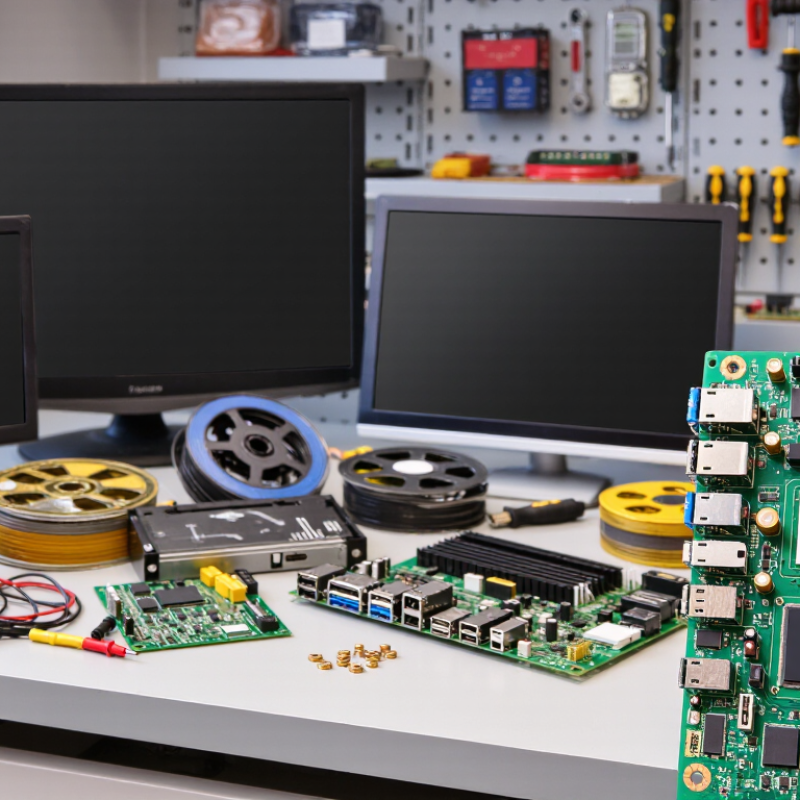
Understanding LCD TV Universal Board Compatibility
How to Choose the Best LCD TV Universal Board from China?
Understanding LCD TV Universal Board Compatibility
Choosing a universal LCD TV board starts with the panel, not the television casing. Check the panel number, screen size, resolution, and refresh rate carefully. A board designed for a similar screen may still produce a distorted image or no display.
Interface details are equally important. Confirm whether the panel uses LVDS or eDP, then match the connector shape, pin count, and cable direction. Check the panel voltage before connecting power. An incorrect voltage can damage the display quickly. I also inspect the backlight type, because LED strips and driver circuits are not always interchangeable. Small differences matter.
Firmware compatibility deserves attention. The board should support the panel’s timing settings and image format. Ask the supplier in China for a tested firmware version, wiring diagram, and real product photographs. Request a sample before placing a larger order. Test HDMI, audio, remote control, buttons, and standby functions. Do not trust a general compatibility list alone. I once accepted a board based on resolution only, and the picture showed unstable colors. That mistake taught me to verify every electrical detail. Even experienced buyers can overlook cable orientation. Measure twice. Test once. Keep records of panel results and supplier responses, because clear documentation makes future purchases more reliable.
Get in touch
Our mission is to develop cutting-edge clean energy technology and provide next-generation solar inverters.
Phone
(888) 598-9901
nep-usa@site_ea168614-f5f4-4298-bd5b-880b4cf8d99d
