Why Choose Solar Power for Your House Benefits and Advantages Explained
As we seek sustainable solutions for energy, the significance of solar power for houses has become increasingly clear. Jason Miller, a solar energy expert from GreenTech Innovations, emphasizes, "Investing in solar power for your house is not just a trend; it's a necessity for the future." This perspective highlights the urgency of embracing renewable energy sources.
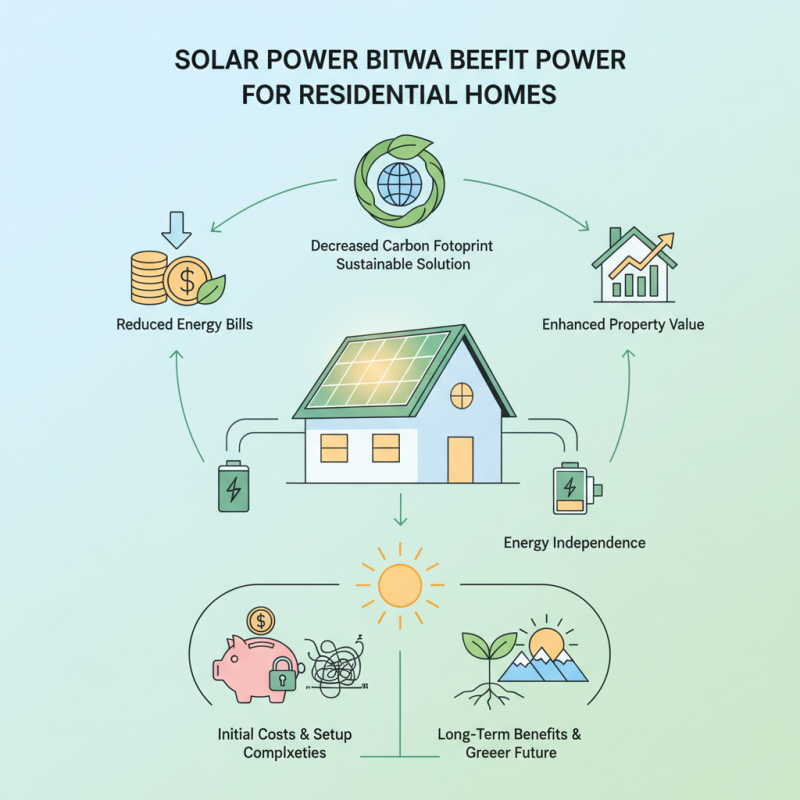
Solar power offers numerous advantages. It reduces energy bills and decreases carbon footprints. Additionally, it enhances property value. Homeowners can harness the sun's energy to gain independence from traditional electricity sources. However, challenges exist, such as initial costs and setup complexities. Many overlook these hurdles, focusing only on long-term benefits.
In transitioning to solar power, it's essential to reflect on personal energy consumption habits. The shift to solar energy may require adapting daily routines. While the benefits are clear, the journey involves learning and adjustment. Embracing solar power for houses means committing to a greener future, despite the initial obstacles.
Benefits of Solar Power: A Cost-Effective Energy Solution for Homes
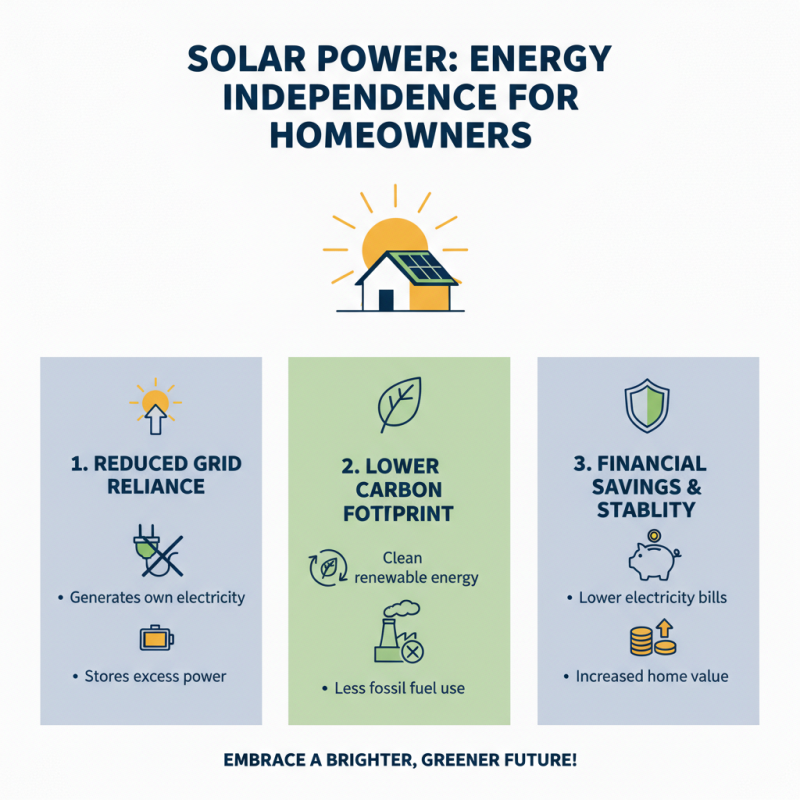
Solar power offers numerous benefits for homeowners, making it a cost-effective energy solution. It helps reduce electricity bills. Many families notice significant savings after installation. Solar panels convert sunlight into electricity, reducing reliance on grid power. This transformation leads to lower utility expenses over time.
If you're considering solar power, remember these tips. First, assess your home’s sunlight exposure. Trees and buildings can block sunlight. Clearing obstructions increases energy production. It may seem less productive, but every bit counts in solar energy.
Maintenance is minimal yet essential. Regularly clean your panels to remove dirt and debris. Dusty panels can significantly reduce efficiency. Some people forget this basic upkeep, leading to poor performance. A little awareness goes a long way in ensuring optimal energy output. Solar energy is a smart choice, but it requires attention and effort.
Benefits of Solar Power: A Cost-Effective Energy Solution for Homes
Environmental Advantages of Switching to Solar Energy
Switching to solar energy offers significant environmental benefits. Solar power reduces carbon emissions. It harnesses the sun’s energy, which is abundant and renewable. By using solar panels, homeowners can decrease their reliance on fossil fuels. This helps in combating climate change.
Adopting solar energy also leads to improved air quality. Fewer pollutants are released into the atmosphere. This means cleaner air for everyone. However, not every location is ideal for solar installation. Some areas receive less sunlight than others. It's essential to evaluate your local climate conditions.
When considering solar power, take the time to research. Look into your local incentives and rebates. This can make solar more affordable. You might also want to consult with neighbors who have made the switch. Their experiences can provide valuable insights. Ultimately, moving towards solar energy is a step towards a healthier planet.
Energy Independence: How Solar Power Reduces Reliance on Grid Electricity
Solar power offers numerous benefits for homeowners, particularly in achieving energy independence. By installing solar panels, you can significantly reduce your reliance on grid electricity. When the sun shines, your home generates power, which can cover much of your energy needs. This means less dependence on fossil fuels and a lower carbon footprint.
Many homeowners enjoy the freedom that comes with solar energy. When grid prices fluctuate, your solar system keeps producing energy. You don’t have to worry about rising electricity costs. Plus, during outages, a well-designed solar system can keep essential appliances running. This autonomy is a game changer for many families.
**Tip:** Consider starting small. Install a few panels to gauge how it affects your energy bills. This can be a less overwhelming way to transition to solar.
**Tip:** Research local incentives. Some areas offer tax breaks or rebates that can lower upfront costs. Don't overlook this potential savings when planning your installation.
Increasing Property Value: The Financial Upside of Solar Installations
Homeowners looking to enhance their property's value often turn to solar power. This decision can lead to significant financial benefits. A study by Zillow revealed that homes with solar energy systems sell for about 4.1% more than similar homes without solar. In some markets, this increase can reach even higher percentages.
Investing in solar not only lowers utility bills but also attracts future buyers. The U.S. Department of Energy reports that properties with solar installations are more desirable. Many buyers are willing to pay a premium for homes with renewable energy options, recognizing the long-term savings on energy costs.
Tip: Consider local solar incentives. Many states offer tax breaks or rebates. This can considerably reduce initial installation costs.
Another aspect to think about is how solar systems can delay the need for costly roof replacements. Installing solar panels may extend the life of a roof by protecting it from weather damage. However, ensure your roof is in good condition before installation.
Tip: Always get multiple quotes before selecting a solar provider. This could help you find the best price and service.
Reflecting on these points can help homeowners make informed decisions about solar energy systems.
Government Incentives and Tax Benefits for Home Solar Systems
Government incentives play a crucial role in making solar energy an attractive option for homeowners. Many states offer tax credits for solar installations, which can cover a significant portion of the initial costs. According to a report from the Solar Energy Industries Association, these incentives can reduce system prices by up to 26%. This reduction helps more homeowners consider solar as a viable energy source.
In addition, some states provide rebates for solar systems, which can further enhance savings. Homeowners might receive direct discounts on their installation costs. However, not all homeowners fully utilize these incentives. Some may find the application process confusing. There is also the concern of navigating eligibility requirements, leading to missed opportunities for savings.
Moreover, federal programs offer further tax benefits. The Residential Renewable Energy Tax Credit allows homeowners to deduct a portion of their installation costs from federal taxes. While these incentives improve affordability, people must be aware of deadlines and changing policies. Awareness and careful planning are essential in maximizing these financial benefits. Investing time may lead to long-term energy savings and lower bills.
Why Choose Solar Power for Your House: Benefits and Advantages Explained - Government Incentives and Tax Benefits for Home Solar Systems
Benefit/Advantage
Description
Government Incentives
Tax Benefits
Environmental Impact
Solar energy reduces dependence on fossil fuels and lowers greenhouse gas emissions.
Federal tax credits, state solar rebates.
Solar Investment Tax Credit (ITC) allows for significant savings.
Cost Savings
Reduced electricity bills and potential income from net metering.
In some states, cash rebates for installing solar systems.
Possible state tax credits and depreciation benefits.
Energy Independence
Reduce reliance on the grid and protect against energy price fluctuations.
Net metering options available in many areas.
Tax breaks related to energy production.
Increased Home Value
Homes with solar systems often sell for more than those without.
Property tax exemptions in certain locations.
Tax incentives can add to the sale price disclosure.
Job Creation
Growth of the solar industry creates jobs in manufacturing, installation, and maintenance.
Support from federal and state programs to employ local workforce.
Investment in local economies can boost state and federal tax revenues.