- Spanish-Latin America
- Japanese-JP
- Chinese
- Europe
- Português-BR

Tech Support
(888) 598-9901
Hours: Mon-Fri 8AM-8PM EST
nep-usa@site_ea168614-f5f4-4298-bd5b-880b4cf8d99d
2026 Best Photochromic Lenses Suppliers for Global Buyers
Choosing a Best Photochromic Lenses Supplier in 2026 requires more than comparing prices, tint speed, or catalog claims. Global buyers need measurable performance, stable production, and dependable documentation. Grand View Research identifies photochromic lenses as a growing optical segment, supported by rising demand for UV protection, visual comfort, and adaptive eyewear. Research and Markets also expects continued expansion as consumers seek one lens for changing light conditions.
The details matter. A lens that darkens quickly beside a sunny warehouse may react differently behind a car windshield. Buyers should examine activation time, fade-back speed, UV filtration, color neutrality, coating durability, and prescription accuracy. Independent samples can reveal differences that brochures hide. Sometimes, small inconsistencies matter most.
Ralph Chou, an internationally recognized ophthalmic optics expert, has expressed the central safety principle clearly: “UV protection should be considered an essential part of everyday eyewear.” His view supports a broader supplier standard. Photochromic technology should improve comfort without compromising reliable ultraviolet protection.
This guide compares leading suppliers through an E-E-A-T-focused lens. It considers manufacturing experience, optical expertise, quality systems, export capability, and buyer feedback. Certifications require verification. Marketing language can be optimistic. No ranking is perfect.
The strongest Best Photochromic Lenses Supplier should provide traceable test results, responsive technical support, consistent batches, and practical customization for different markets. Buyers should also request current samples before signing large contracts. Clear lenses, darker lenses, and real-world conditions can tell different stories. That is where careful evaluation begins.
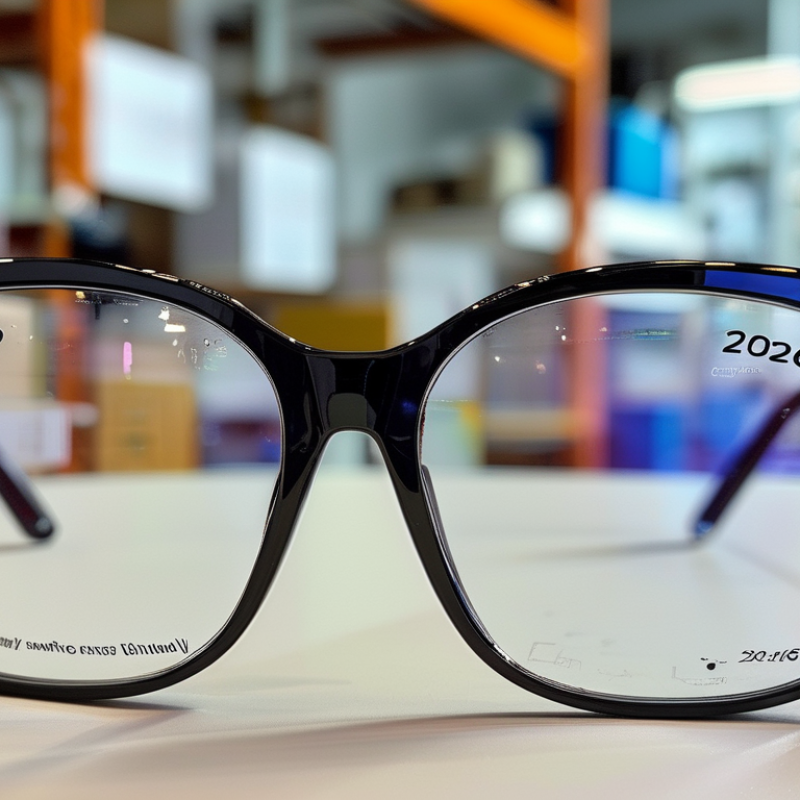
What Are Photochromic Lenses and How Do They Work?
2026 Best Photochromic Lenses Suppliers for Global Buyers
What Are Photochromic Lenses and How Do They Work?
Photochromic lenses change tint when exposed to ultraviolet radiation. Their lenses contain light-sensitive molecules that react to UV energy. The molecules alter their structure and absorb more visible light outdoors. Indoors, the reaction reverses, so the lenses gradually become clear again. The process is automatic. No switch is needed.
Performance depends on temperature, UV intensity, lens material, and surface coatings. Cold weather may slow the return to a clear state. A vehicle windshield can also block much of the UV needed for activation. Therefore, indoor clarity does not always guarantee strong performance inside a car. Professional buyers should request activation tests, fading-time data, coating specifications, and material information from suppliers. These details reveal more than a simple product photograph.
Tips: Test samples in both sunlight and shaded indoor conditions. Check tint uniformity across the lens. Ask whether the lenses support prescription processing, edging, and required regional quality standards. A common mistake is judging performance after only one minute outdoors. Real conditions change. Even advanced photochromic lenses are not perfectly consistent in every climate, and suppliers should explain those limits clearly. Temperature data matters. So does honest documentation.
Get in touch
Our mission is to develop cutting-edge clean energy technology and provide next-generation solar inverters.
Phone
(888) 598-9901
nep-usa@site_ea168614-f5f4-4298-bd5b-880b4cf8d99d
