- Spanish-Latin America
- Japanese-JP
- Chinese
- Europe
- Português-BR

Tech Support
(888) 598-9901
Hours: Mon-Fri 8AM-8PM EST
nep-usa@site_ea168614-f5f4-4298-bd5b-880b4cf8d99d
2026 Top Commercial Soup Kettles for Global Buyers
Choosing the right Soup Kettles can shape service speed, food quality, and daily operating costs. For global buyers, the decision involves more than capacity or appearance. Heating method, material quality, insulation, controls, cleaning access, and after-sales support all deserve close review. A polished product can still disappoint in a busy kitchen.
This 2026 guide examines commercial soup kettles for restaurants, hotels, catering companies, cafeterias, and institutional kitchens. It compares practical features such as stainless-steel construction, thermostatic control, wet and dry heating options, drain design, lid performance, and batch consistency. A 10-liter kettle may suit a small café, while a larger kitchen may need several units for soups, sauces, and seasonal menus. Real working conditions matter.
Details reveal the difference. Operators should check whether handles stay comfortable near service time. They should also inspect how easily staff can remove residue from corners and valves. Energy use, plug standards, voltage compatibility, packaging, warranty terms, and replacement parts require careful confirmation across markets. Specifications are not always presented consistently. That creates room for mistakes.
The selection process should remain practical and slightly skeptical. A lower purchase price may hide higher cleaning labor or weak support. An advanced control panel may also be unnecessary for simple batch service. Buyers should request test data, installation guidance, and clear documentation before committing. This article highlights strong options, but no single model fits every operation. The best choice depends on menu volume, kitchen layout, staff habits, and local service availability.
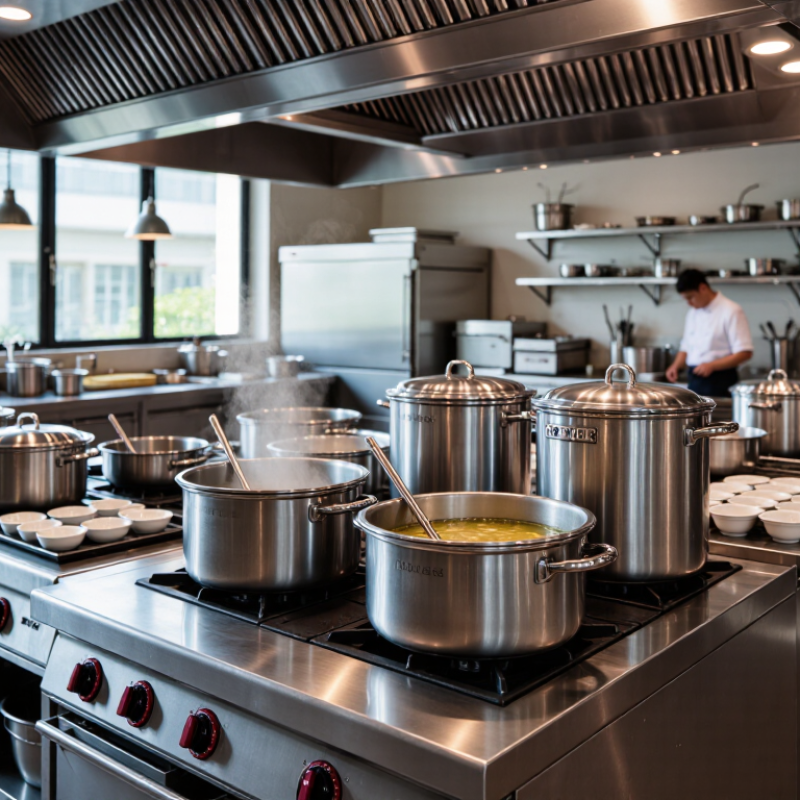
What Defines a Commercial Soup Kettle in 2026
In 2026, a commercial soup kettle means more than a large heated pot. It must deliver stable temperatures, safe handling, and repeatable results during busy service. In real kitchens, soup may sit near a serving line for hours. Uneven heating can create burnt layers, cold centers, or disappointing texture.
Reliable models usually combine food-grade stainless steel, insulated walls, clear controls, and a precise thermostat. Capacity matters, but usable capacity matters more. A kettle filled too high becomes difficult to stir and clean. Buyers should also check voltage, plug standards, drainage design, and replacement-part availability for their market. Digital controls are useful, although complicated screens can slow staff during rush periods. Simple operation still has value.
Tips: Request heating tests with a thick soup, not only water. Check the temperature at several points in the vessel. Open the drain valve repeatedly. Inspect seals, hinges, and handles after cleaning. Ask for safety documents and realistic warranty terms. A small measurement error can become a daily service problem. Some specifications look impressive on paper but need practical verification.
Get in touch
Our mission is to develop cutting-edge clean energy technology and provide next-generation solar inverters.
Phone
(888) 598-9901
nep-usa@site_ea168614-f5f4-4298-bd5b-880b4cf8d99d
